Jump straight to:
Yes, There Are Qualifications Behind All Those Words
I spend a lot of time talking about making health and medical content accessible, engaging and, ideally, considerably less painful to read.
But when you’re hiring someone to write about health, being good with words isn’t enough.
Healthcare content needs accuracy, responsible research, an understanding of health literacy and the ability to recognise when a source is considerably less trustworthy than its impressive-looking website would have you believe.
That’s why I’ve continued learning throughout my career, completing qualifications and professional training covering writing, healthcare, medical terminology, SEO, accessibility and more.
In other words, I don’t just disappear down research rabbit holes for fun.
Sometimes I get certificates at the end.
The Academic Bit
My background started with words.
I have a BA (Hons) in English from the University of Bedfordshire, which gave me a strong foundation in language, writing, research and adapting communication for different purposes and audiences.
Since moving into health and medical writing, I’ve continued building on that foundation with specialist training and professional development.
Because it turns out that graduating doesn’t mean you’re allowed to stop learning.
Rude, really.

Health & Medical Writing Training
Writing about healthcare comes with considerably more responsibility than writing about, say, the best colour to paint your kitchen.
People may use health information to understand symptoms, treatments, medications and decisions about their care. That means accuracy, context and clarity matter.
I’ve undertaken additional training in areas relevant to health and medical communication, helping me strengthen my understanding of medical terminology, healthcare information, evidence-based writing and communicating complex subjects clearly.
PIF TICK Competent Freelancer
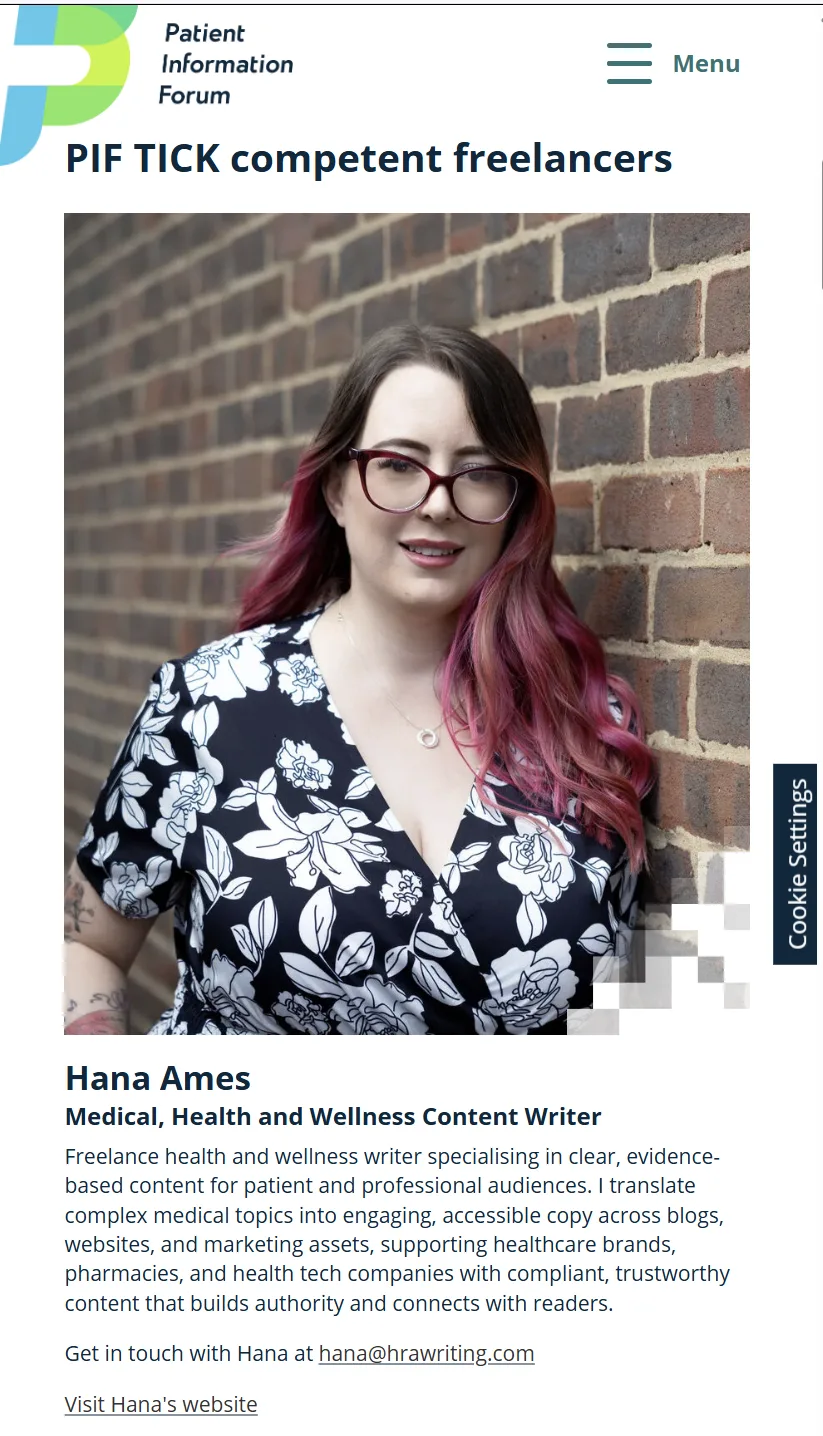
I’m a PIF TICK Competent Freelancer, demonstrating my understanding of the principles involved in producing trustworthy health information.
The PIF TICK is the UK’s only assessed quality mark for print and digital health information, and its criteria cover areas including evidence, accessibility, involving users, health inequalities, transparency and reviewing information.
For clients, that means the principles behind good health information aren’t something I vaguely nod towards because they sound sensible.
They’re built into how I approach the work.
AMWA Continuing Professional Development
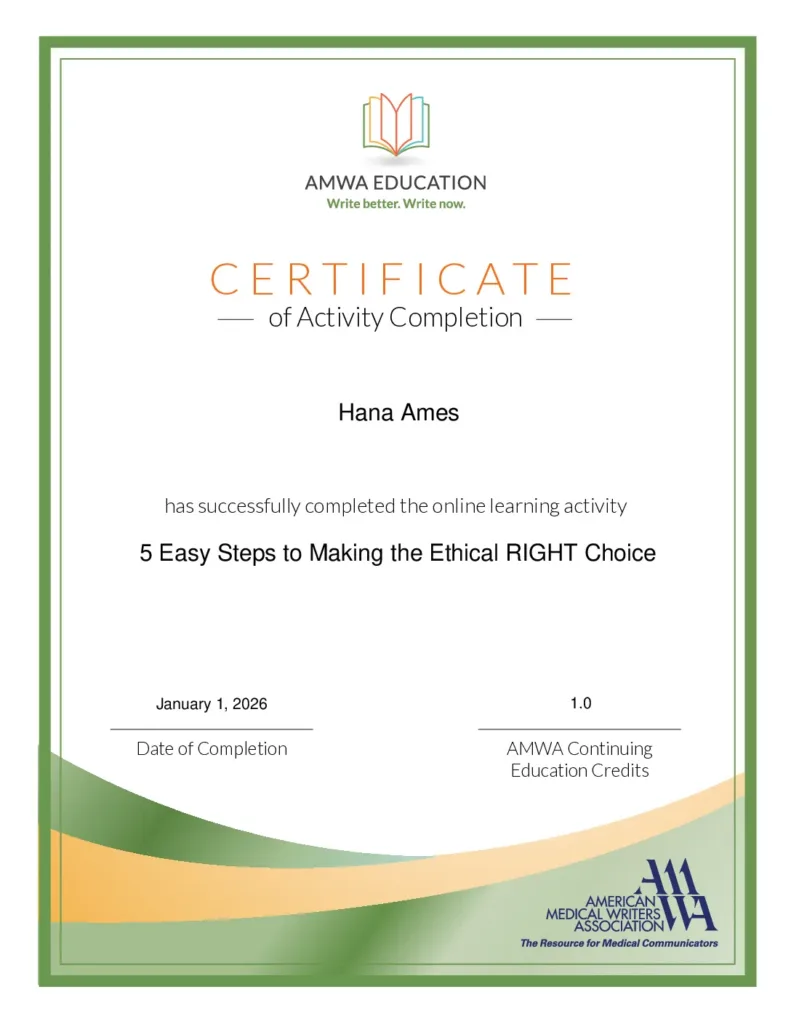
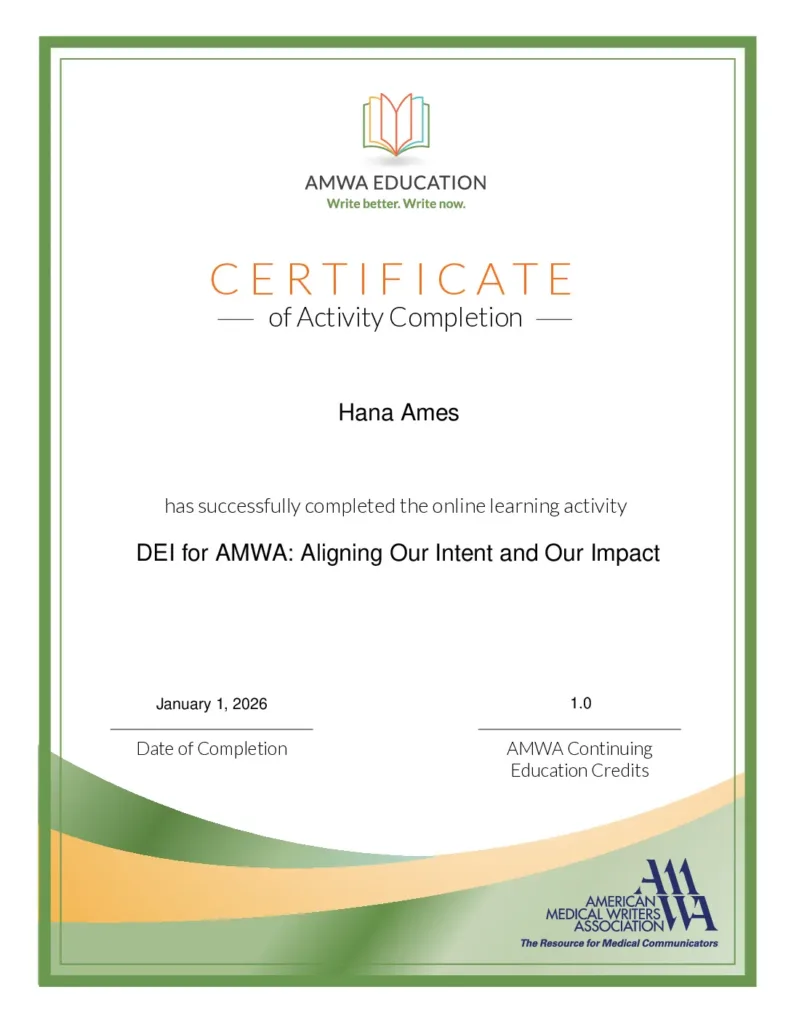
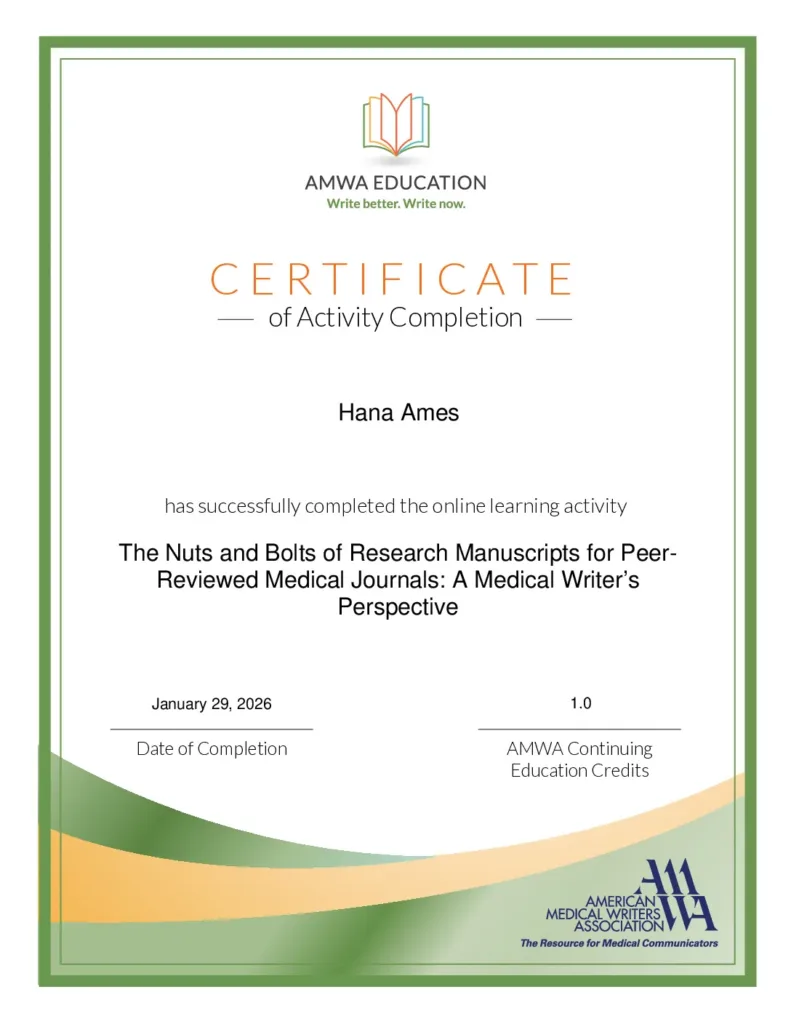
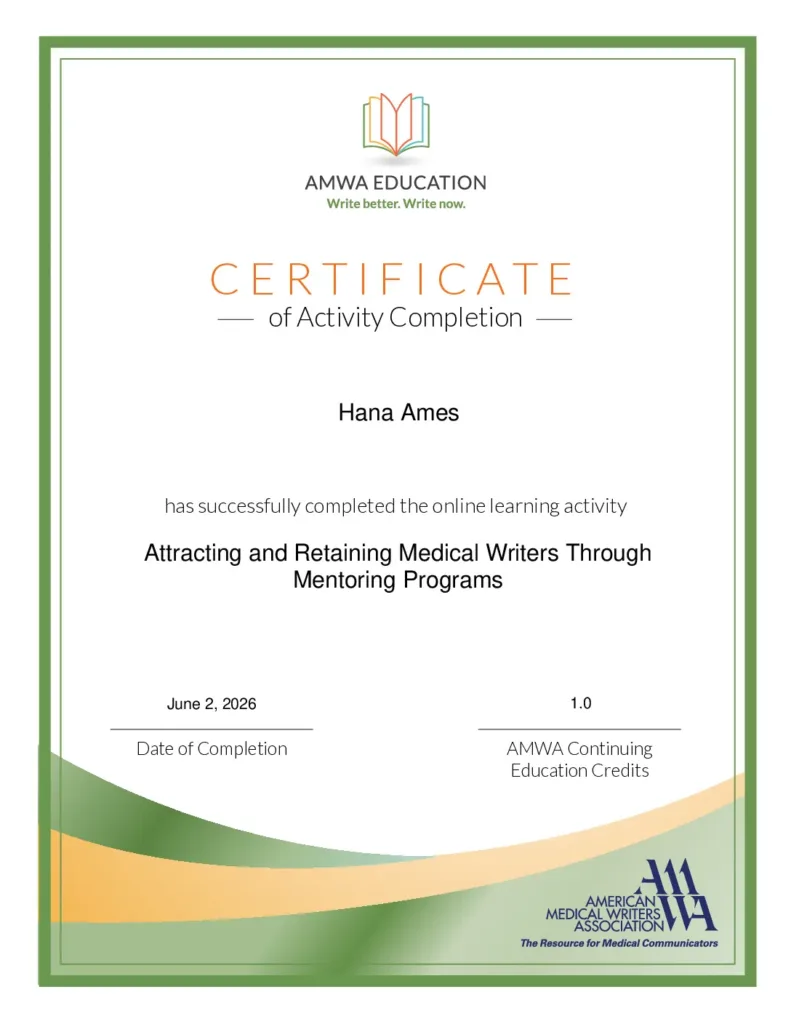
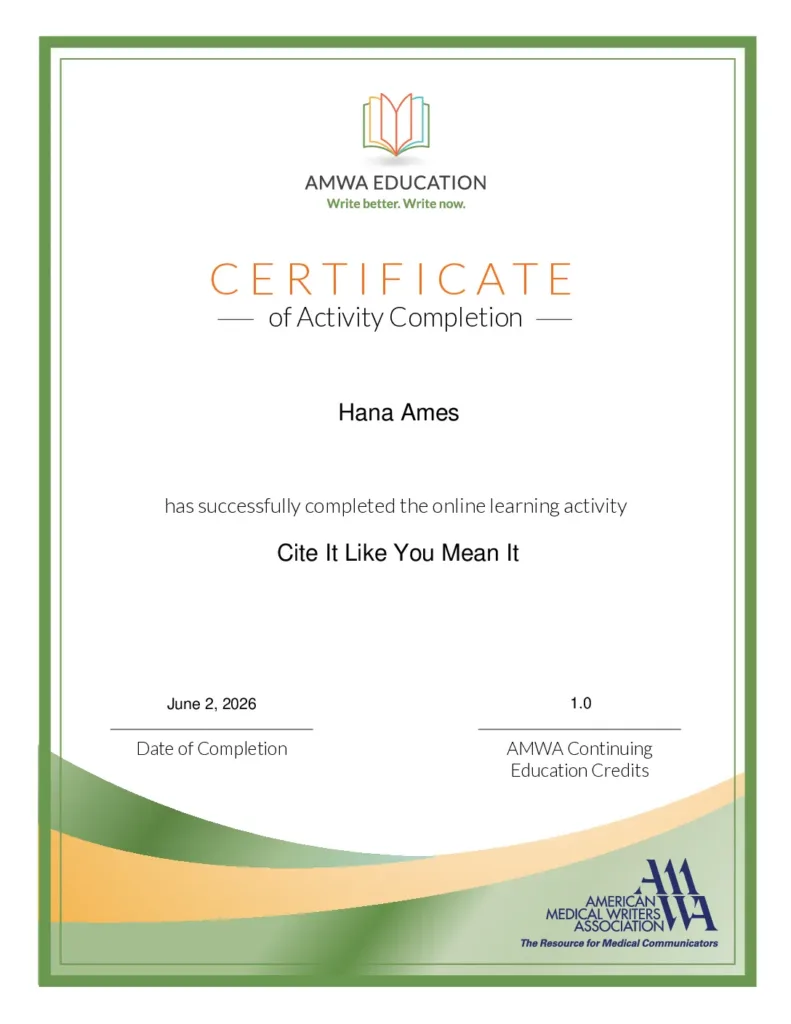
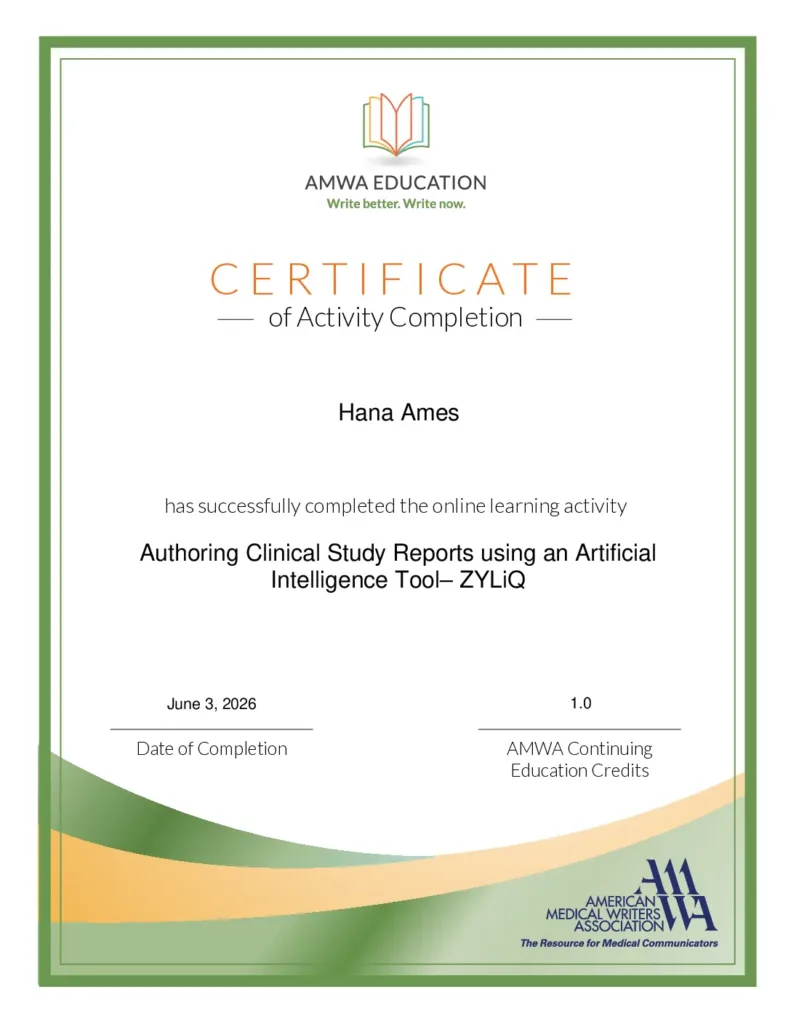
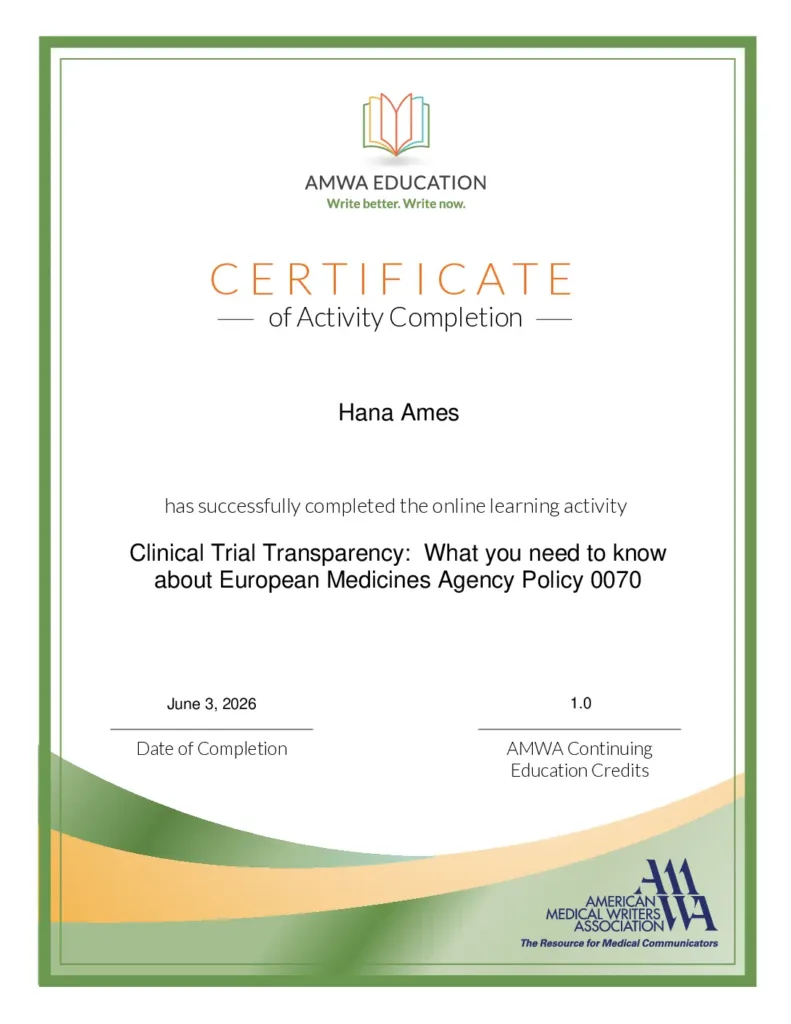
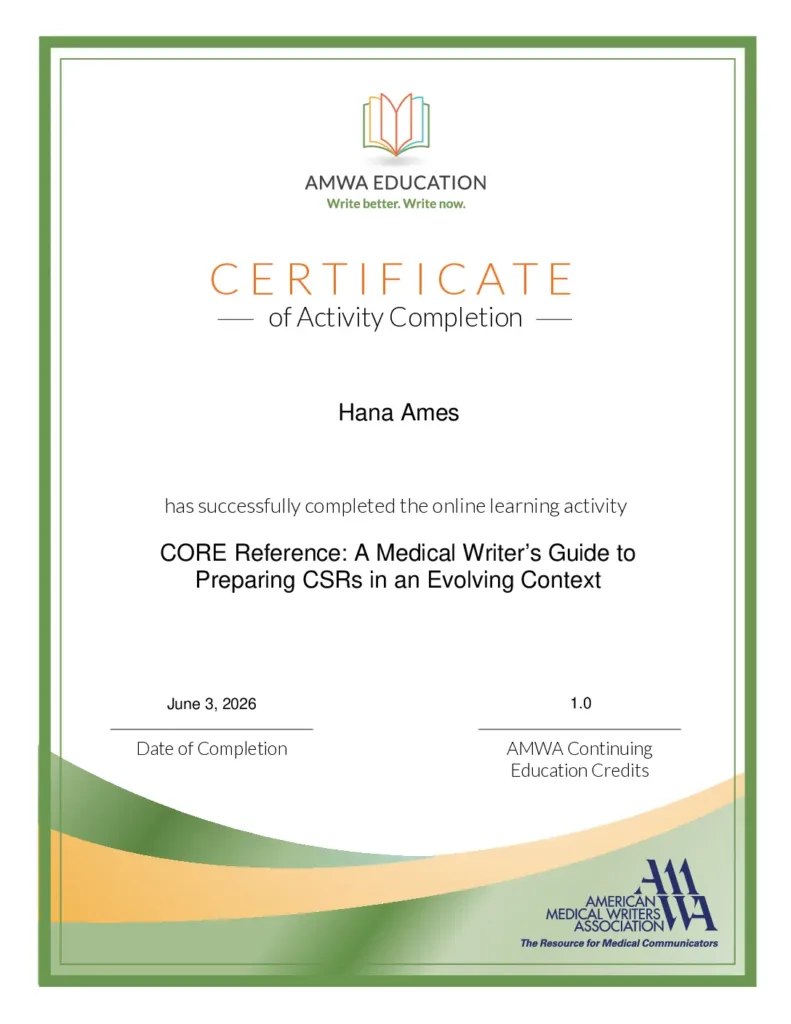
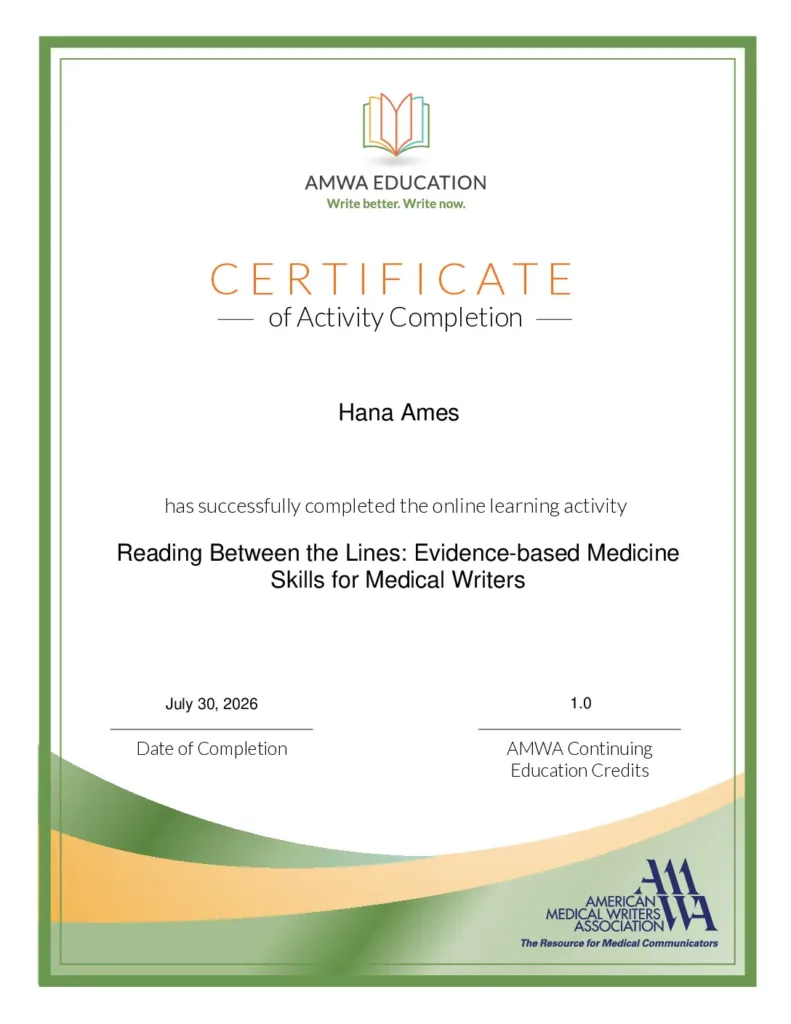
I’m a member of the American Medical Writers Association (AMWA) and regularly use its professional development resources to continue strengthening my medical communication skills.
I’ve completed AMWA training covering areas relevant to producing accurate, responsible and effective medical content, including communicating complex information to different audiences and maintaining professional standards in healthcare writing.
Healthcare doesn’t stand still, so neither can the people writing about it.
Guidance changes. Evidence evolves. Communication standards develop. And occasionally something you were absolutely certain you understood sends you down a two-hour PubMed rabbit hole.
Ongoing professional development helps me keep learning alongside the work I do for clients.
SEO & Content Strategy Training
RankSuite Certifications
Being able to write a brilliant article is useful.
Having somebody actually find it is quite useful too.
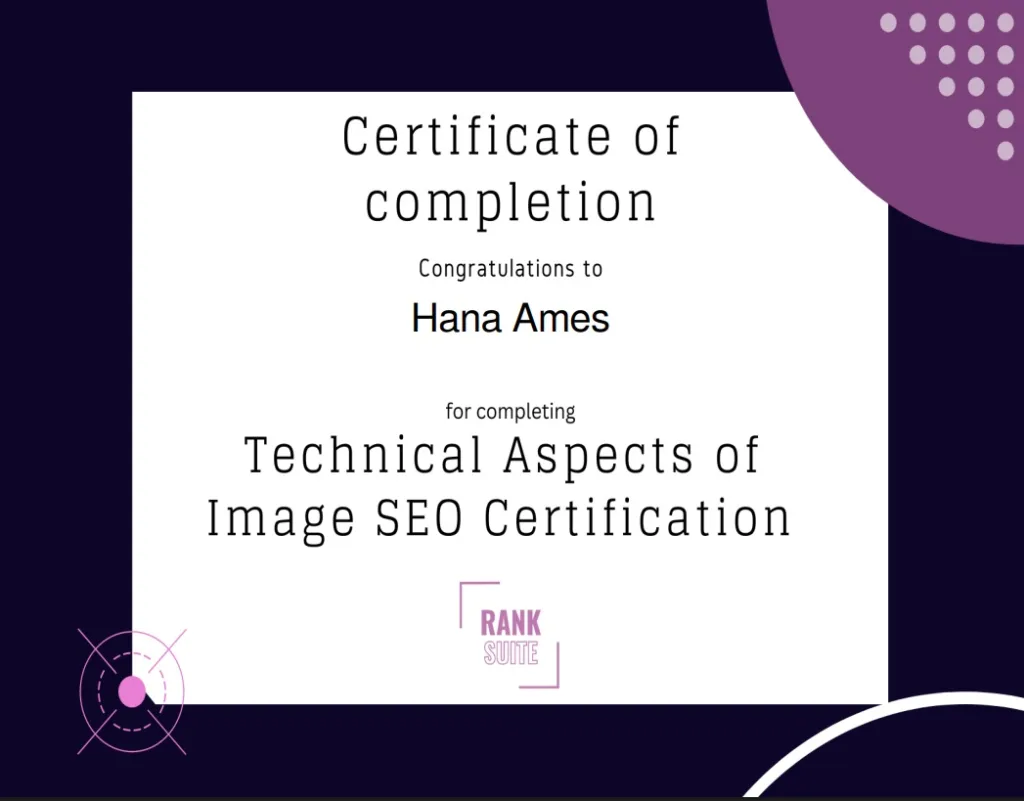
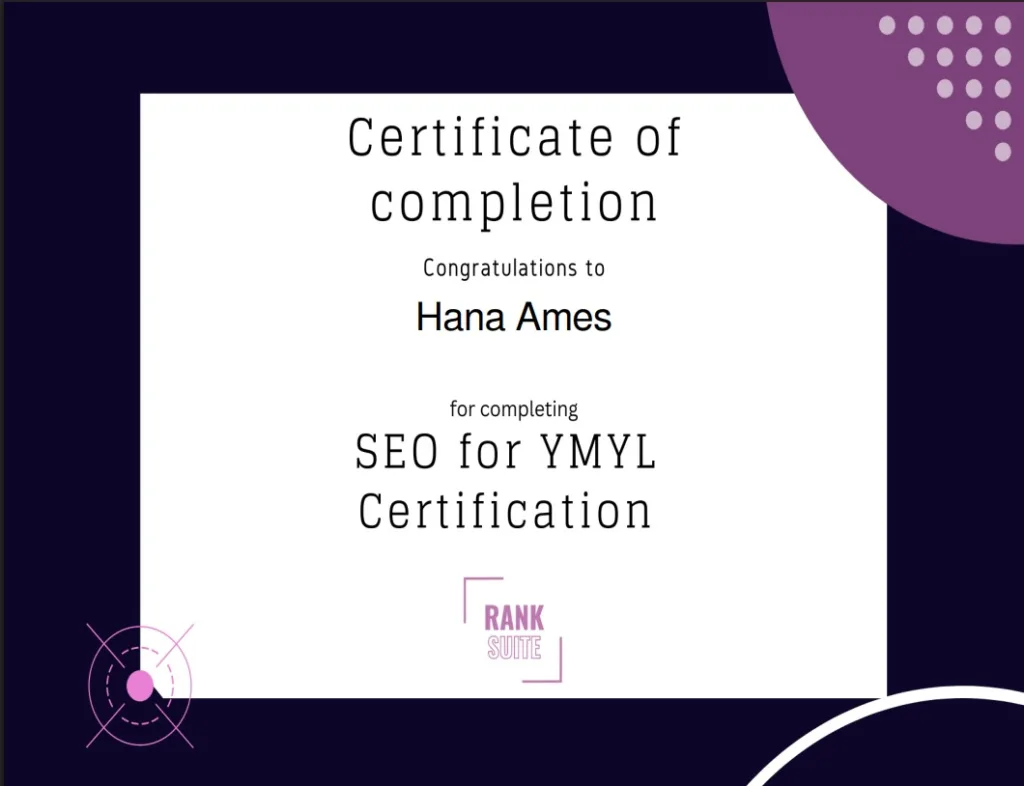
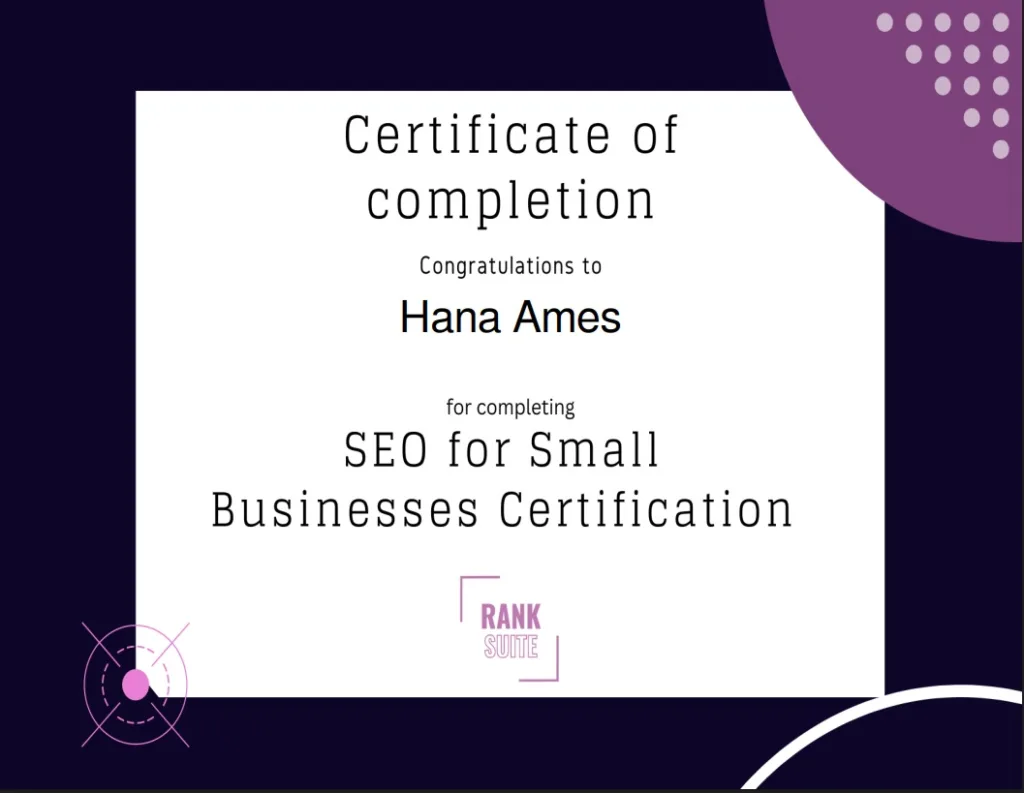
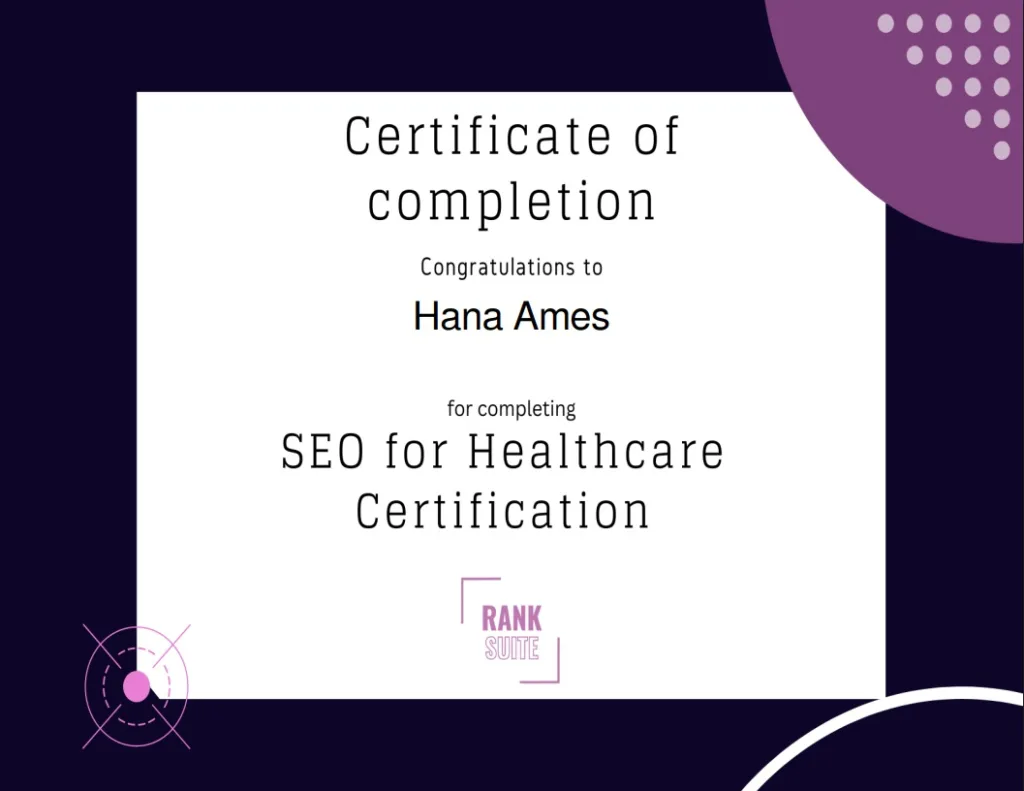
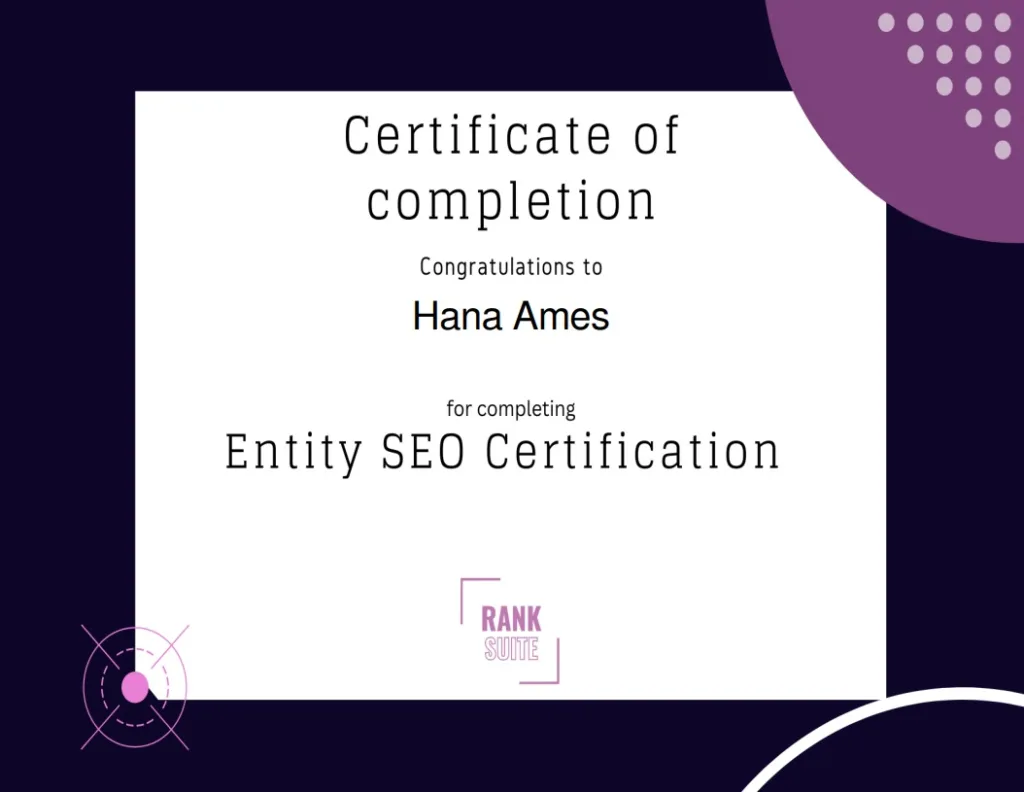
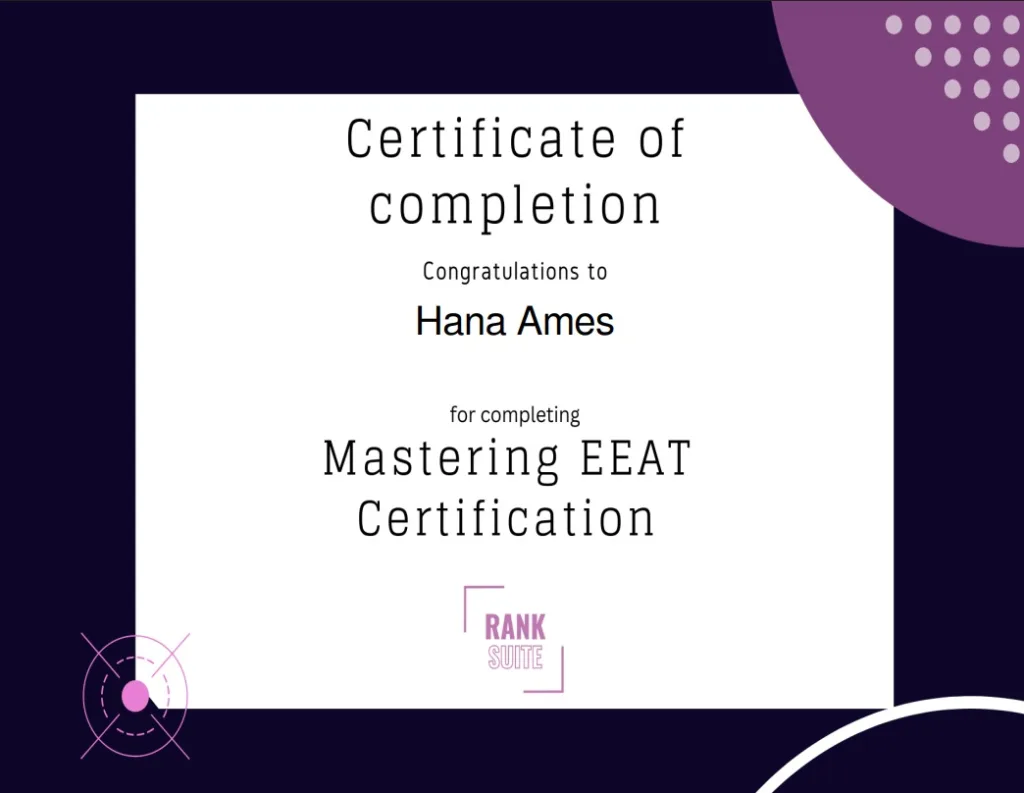
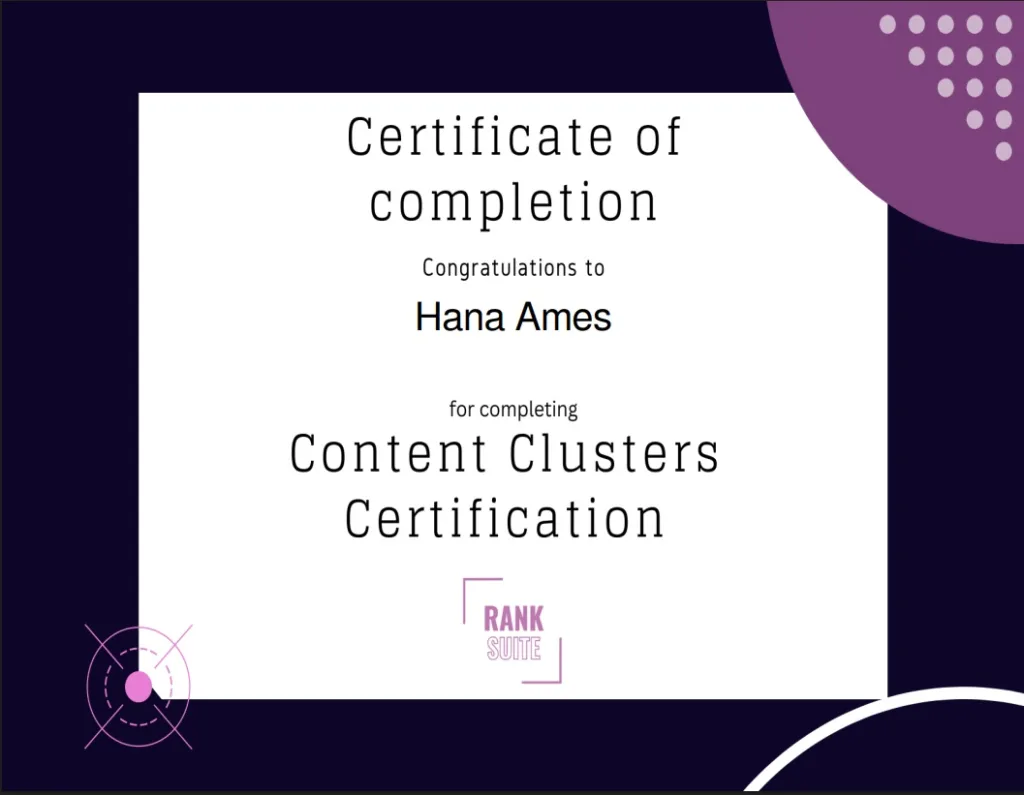
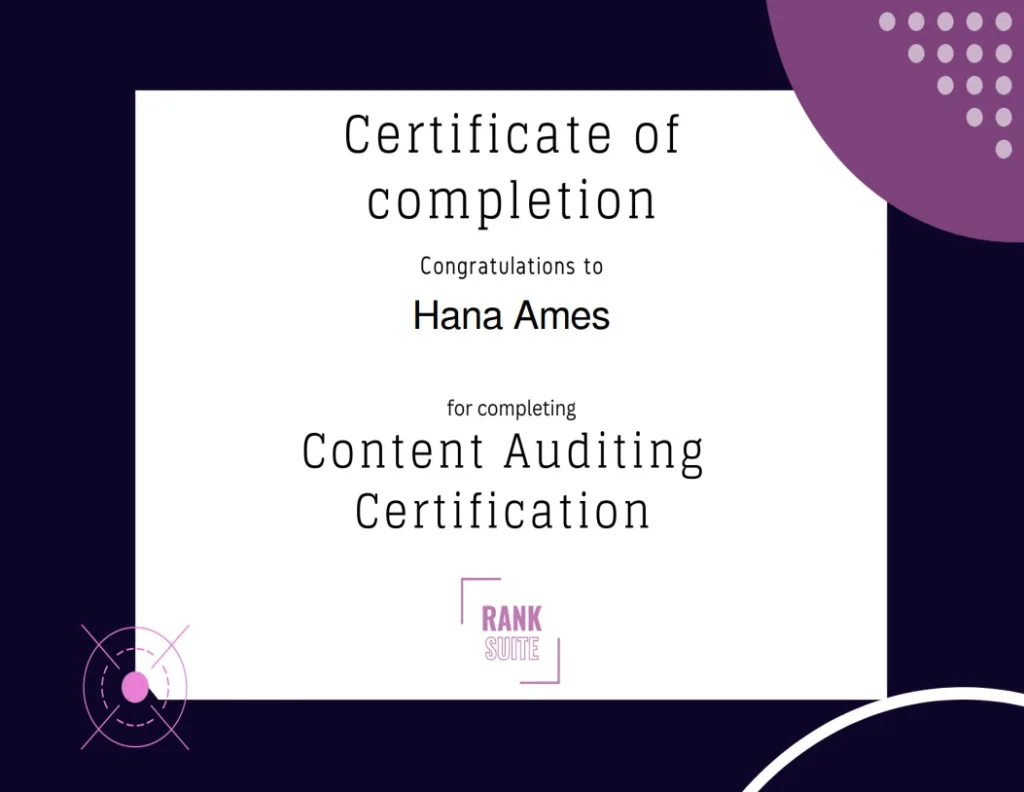
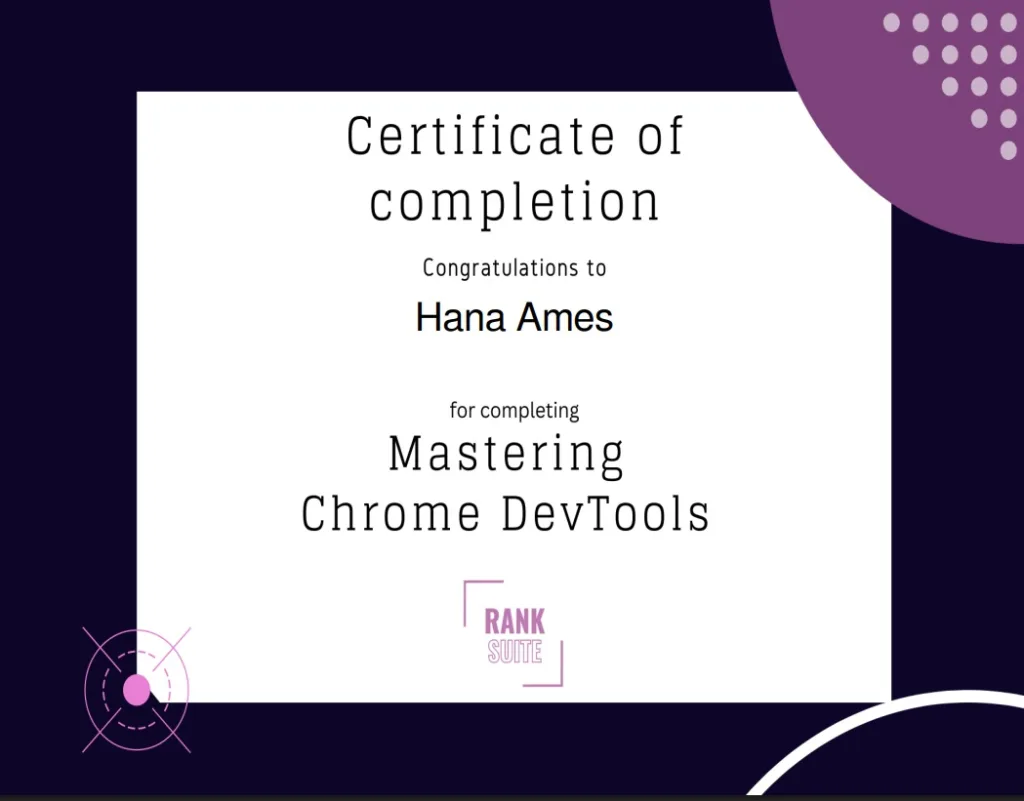
I hold certifications from RankSuite covering SEO and content strategy, supporting my ability to create content that works for search engines without forgetting about the human being who eventually has to read it.
This training supports my ability to:
- Understand and respond to search intent
- Structure articles for readability and engagement
- Incorporate keywords naturally
- Balance SEO requirements with brand voice
- Create useful, human-first content
- Optimise content without compromising accuracy
Because there’s a significant difference between writing for search and writing something that sounds like it was written for an algorithm.
I prefer the former.
Further Study
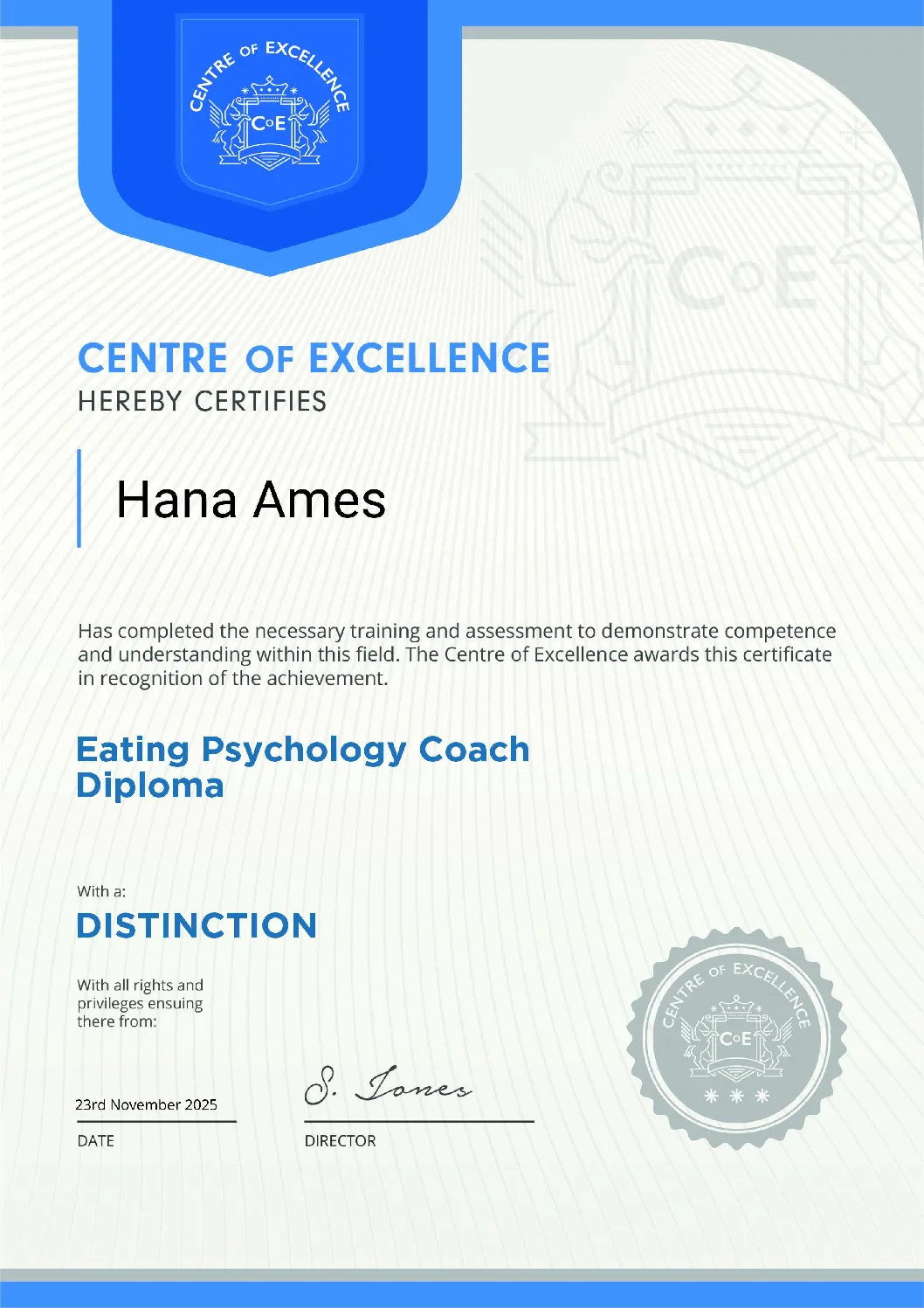
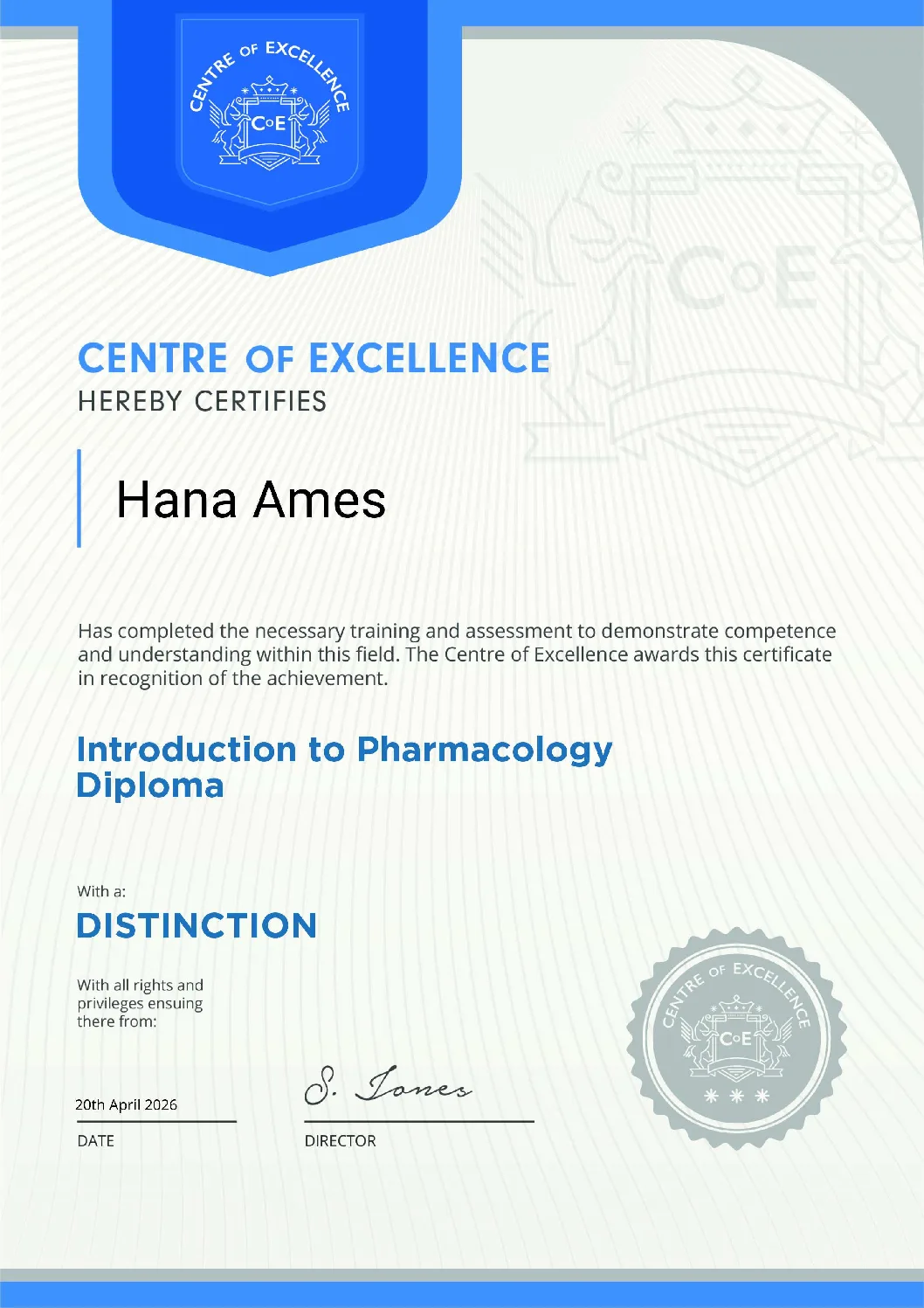
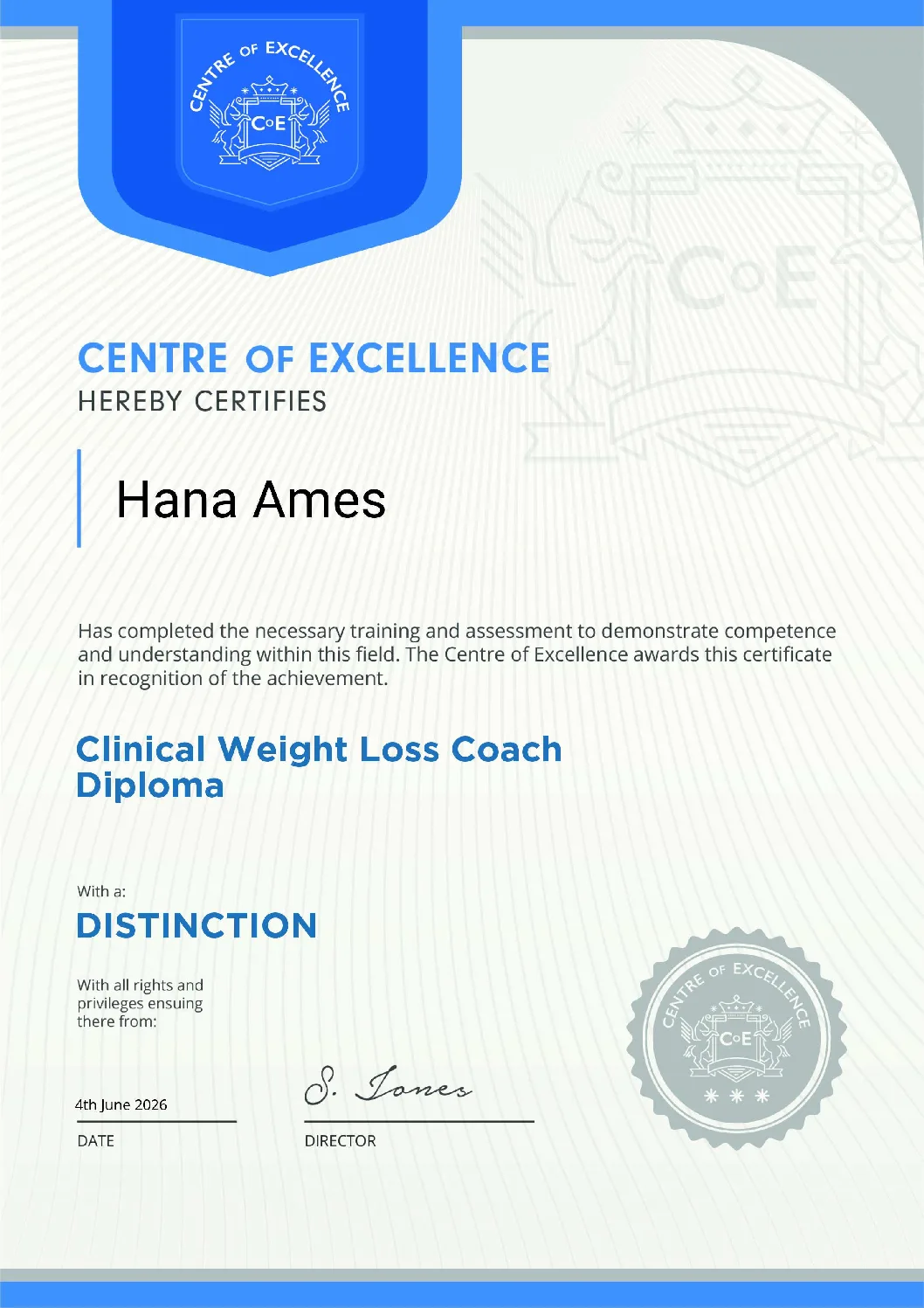
Centre of Excellence
Apparently, once I start learning about something, I find it quite difficult to stop.
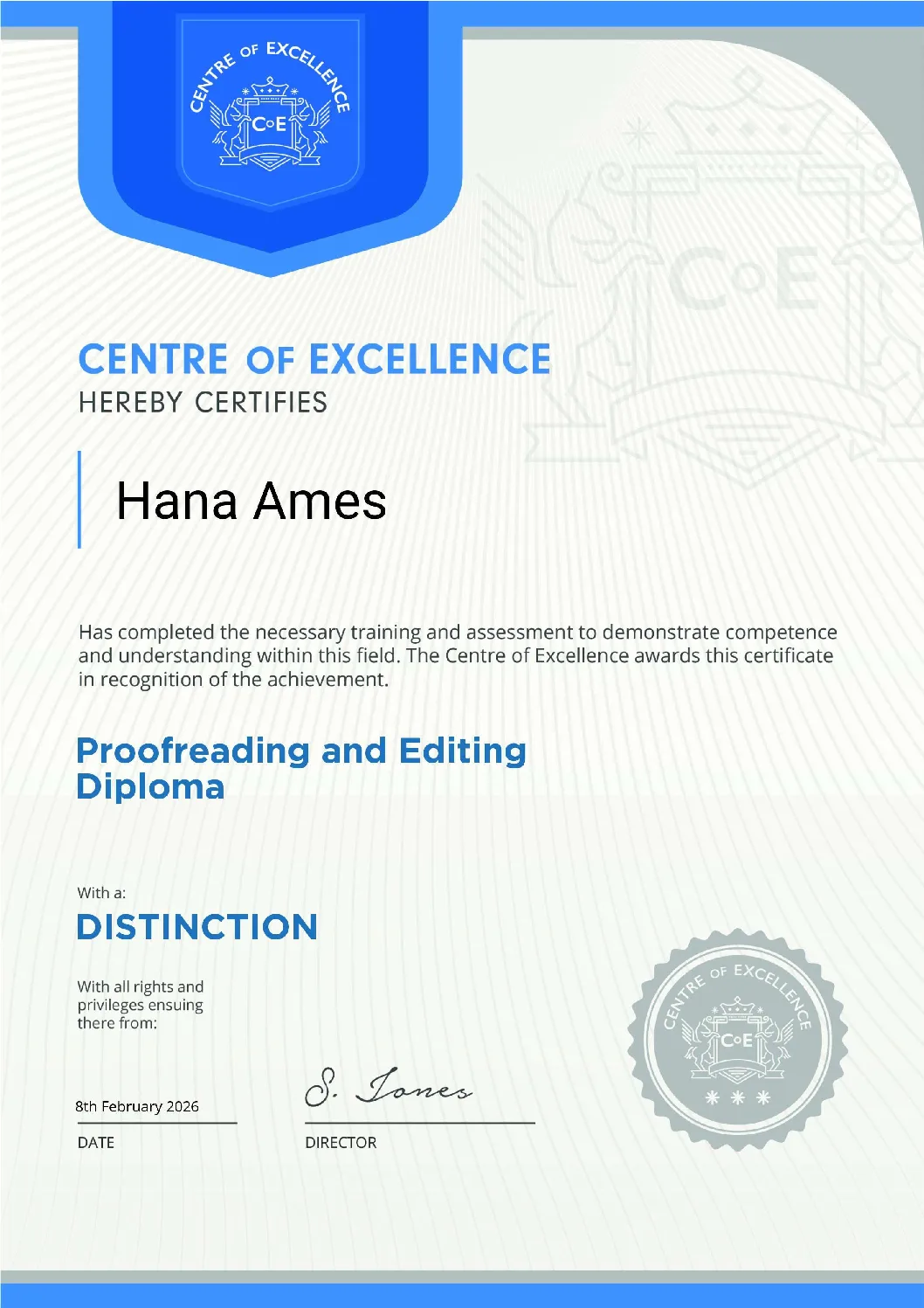
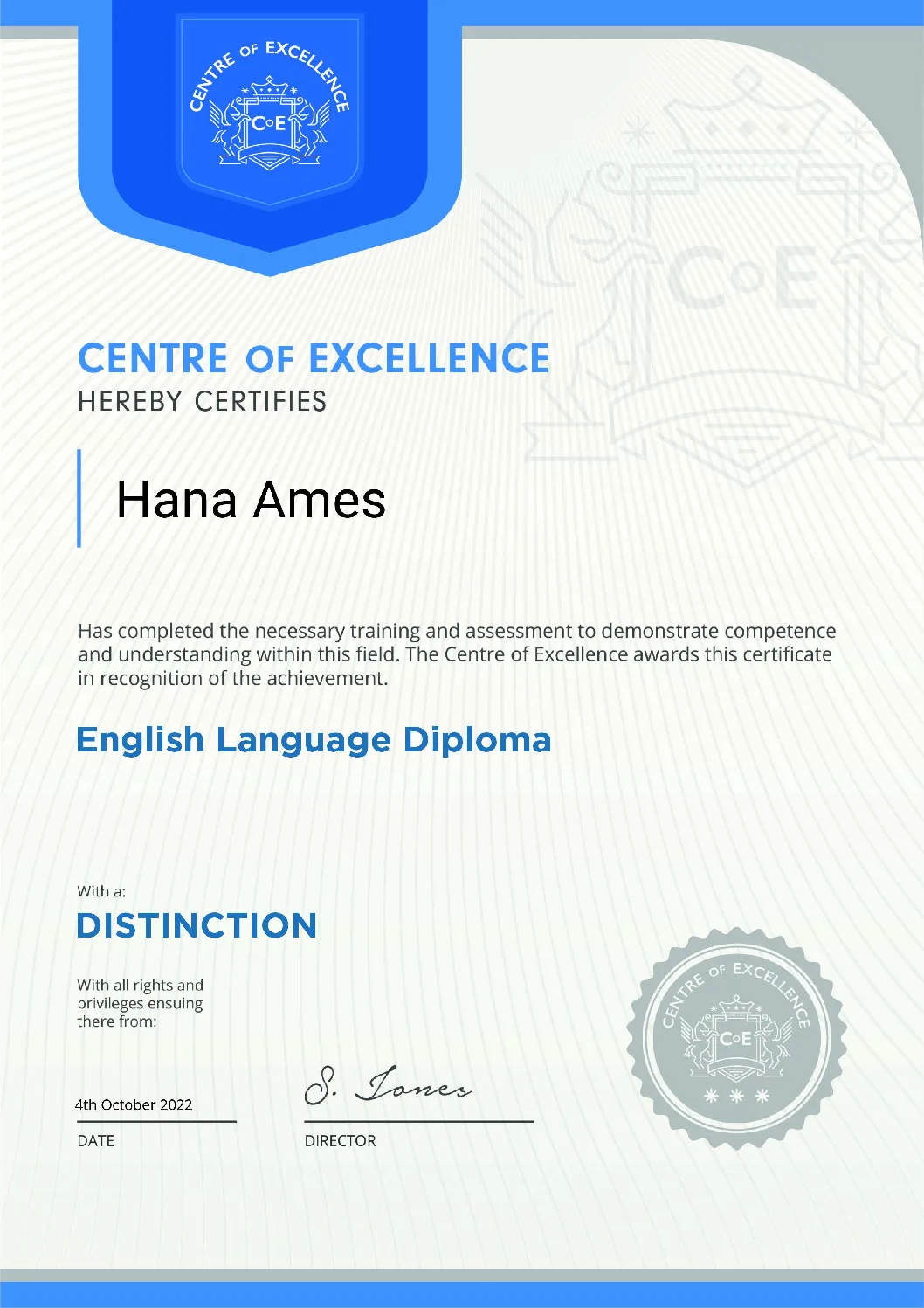
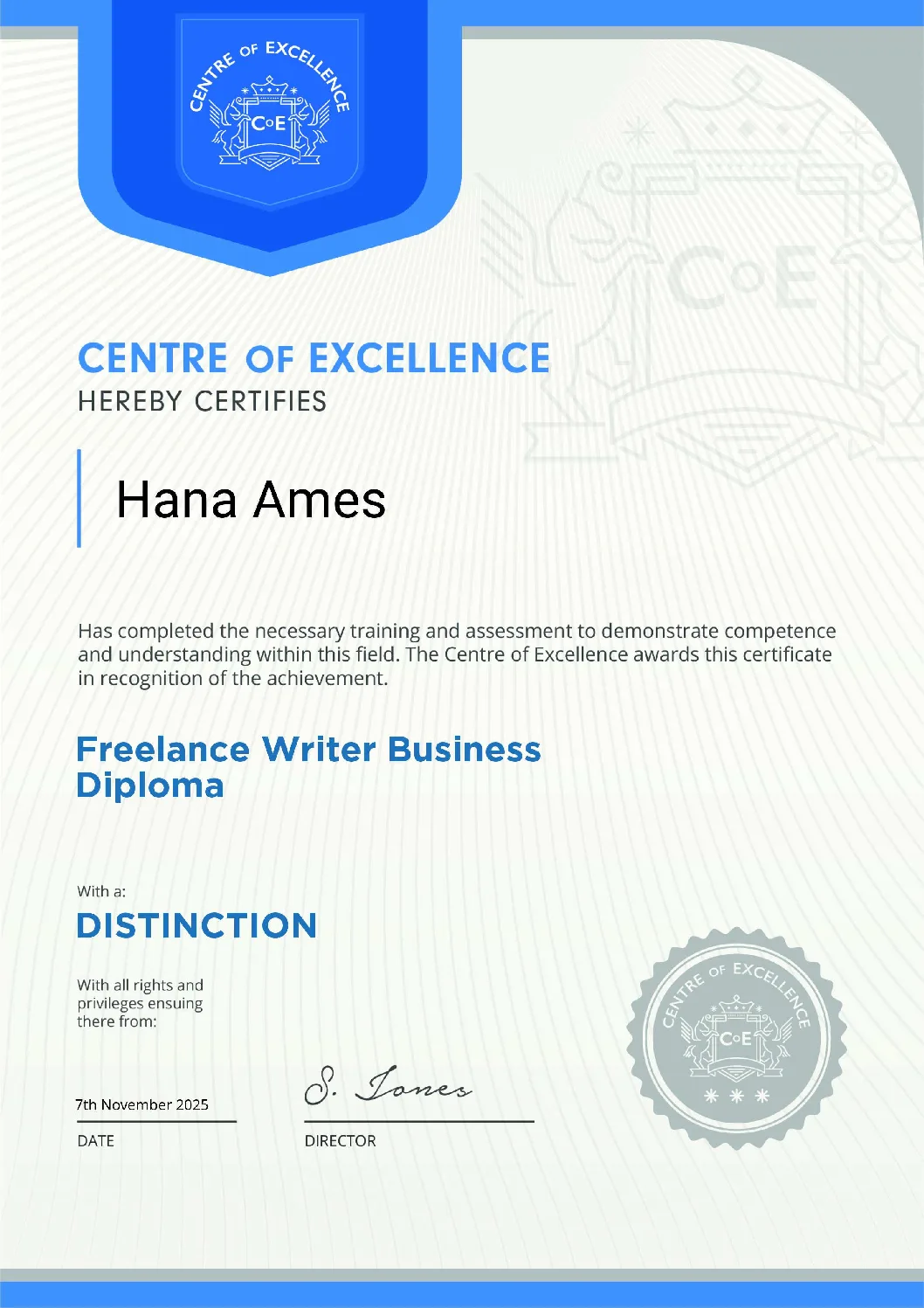
Alongside my degree and professional certifications, I’ve completed additional courses through the Centre of Excellence across health, science, writing and related subjects.
My studies have included areas such as pharmacology, proofreading and editing, wellness and behavioural health, helping me develop both my subject knowledge and the skills I use to communicate complicated information.
These courses aren’t a substitute for clinical expertise – nor do I pretend they make me a healthcare professional.
What they do give me is additional context when researching and writing about health, allowing me to ask better questions, understand the material I’m working with and communicate it more effectively.
Ongoing study helps me:
- Develop my understanding of health and wellbeing topics
- Strengthen my research and editorial skills
- Approach complex subjects with greater context and nuance
- Keep developing as a specialist health writer
- Create content that balances accessibility, empathy and accuracy
And, yes, there is usually another course on my list.
Professional Memberships
I believe professional memberships are essential for staying current, maintaining high standards, and remaining connected to the wider health and content writing community.
Member of the American Medical Writers Association (AMWA)
I’m a member of the American Medical Writers Association (AMWA), a professional organisation for medical communicators.
Membership gives me access to ongoing education, resources and a wider community of people working across medical and scientific communication.
It also reflects something that’s important to me professionally: continuing to develop rather than deciding I’ve been doing this long enough to know everything.
Spoiler: nobody knows everything.
Especially in healthcare.
Member of the Female Copywriters Alliance
I’m also part of the Female Copywriters Alliance, a community of professional writers focused on connection, collaboration and skill-sharing.
Writing may look like a solitary profession – and admittedly, quite a lot of it involves sitting alone arguing with a sentence – but having a professional community matters.
Being connected with other writers provides opportunities to exchange ideas, discuss changes within the industry, share expertise and continually refine how we approach everything from client relationships to content strategy.
Because sometimes you need professional development.
And sometimes you need another writer to confirm that, yes, you have been staring at that sentence for too long.
Qualifications Meet Experience
Certificates are lovely.
But eventually, somebody has to actually write the thing.
Alongside my formal qualifications and continuing professional development, I’ve been writing professionally since 2018 and have extensive hands-on experience across health, wellness and medicine.
I’ve worked directly with brands and publishers as well as supporting agencies and teams working within regulated healthcare environments. That means I’m comfortable adapting not only to different audiences and tones of voice, but also to different briefs, review processes and levels of clinical complexity.
My experience includes:
- Patient information and education
- HCP-facing educational and promotional content
- Healthcare sales and marketing materials
- Pharmacy and treatment pages
- Medication and product information based on PILs and SmPCs
- Evidence-based health and medical articles
- Condition and disease awareness content
- Healthcare campaigns
- SEO health content
- Thought leadership
The format may change, but the basic challenge remains the same:
Understand the evidence. Understand the audience. Then find the clearest way to connect the two.
Some of the Health Brands & Publishers I’ve Written For




Health & Medical Areas I’ve Written About
At this point, I’ve covered a fairly substantial portion of the human body.
My experience includes topics across:
- Women’s health
- Sexual and reproductive health
- Contraception
- Pregnancy and postpartum health
- Mental health
- Pharmacy and prescription treatments
- Weight management
- Skincare and dermatology
- Dental health
- Chronic conditions
- Preventive health
- Nutrition and general wellness
- Patient education and health awareness
- Medical treatments, tests and procedures
And plenty more besides.
If your particular topic isn’t on that list, it doesn’t necessarily mean I haven’t written about it.
There’s only so much space on one webpage.
Still Learning
This page will probably never be completely finished.
Healthcare changes. Evidence changes. Clinical guidance changes. SEO changes. Best practices around accessibility and health communication change.
So I keep learning.
So I keep learning – through formal qualifications, professional training, new guidance, research and the occasional rabbit hole that started with “I’ll just quickly check this one thing…”
All of it feeds back into the work I produce for my clients.
Right, That’s Enough About My Certificates
If you’re looking for a writer who combines professional writing experience with specialist healthcare knowledge, ongoing professional development and a healthy scepticism towards questionable sources, I’d love to hear what you’re working on.
I create evidence-based content for healthcare organisations, agencies, publishers, pharmacies and health-focused businesses, from one-off projects to ongoing freelance support.
You can come to me with a detailed brief.
You can also come to me with “we have a lot of content to produce and not enough people to produce it.”
Both work.
Prefer to keep things in writing?
Want to See All This Put Into Practice?
Qualifications tell you what I’ve studied.
My portfolio shows you what I can do with it.