Freelance health and medical content writer. Word nerd. Musical theatre enthusiast. collector of browser tabs. professional advocate for accurate health information.
I turn complicated healthcare topics into clear, evidence-based content for patients, healthcare professionals, and everyone in between.

Hi, I’m Hana. I Write About Health. A Lot.
I’m a freelance health and medical content writer with 8 years of professional writing experience, specialising in turning complicated healthcare information into clear, accurate, and genuinely useful content.
I write for patients, consumers, healthcare professionals and healthcare teams, working with agencies, publishers, pharmaceutical companies, healthcare organisations and brands.
From individual articles to extensive patient education libraries and multi-channel campaigns, I help organisations communicate complex information without making their readers feel like they need a medical degree and a talking candlestick to understand it.
Think of me as your very own Belle. Except instead of spending all day in a castle library, I’m surrounded by clinical papers, medical guidelines and an unreasonable number of Google Docs.
Although, to be fair, I wouldn’t say no to the library.
In a nutshell:
- Freelance health and medical content writer since 2018
- Eight years of professional writing experience
- Specialist in evidence-based healthcare content
- Experience writing for patients, consumers, HCPs, and healthcare sales teams
- PIF TICK Competent Freelancer
- Member of the American Medical Writers Association
- BA (Hons) in English
- Experience across publishing, pharmacy, pharmaceutical, medical device, and agency projects
Health Content Shouldn’t Be Hard Work to Understand
Medicine is complicated.
Health information doesn’t have to be.
I’ve spent years researching medical topics and translating complex information into content that makes sense to the person reading it, without sacrificing the accuracy that made the information worth communicating in the first place.
Because simplifying healthcare information shouldn’t mean oversimplifying the healthcare information.
Whether I’m writing for someone trying to understand a diagnosis, an HCP learning about a rare condition, or a healthcare sales team getting to grips with a medical product, the process starts in much the same place:
Understand the evidence. Understand the audience. Then find the clearest way to connect the two.
No magic wands. No fairy godmothers. Just research, experience, and a frankly ridiculous number of open tabs.
Bibbidi-bobbidi-boo, but make it evidence-based.
The Professional Bits
I’ve been writing professionally since 2018, and health and medical content has made up a pretty substantial chunk of those eight years.
Over that time, I’ve worked across consumer health publishing, patient education, pharmaceutical content, medical devices, HCP communications, and healthcare marketing.
My experience includes:
- Patient and consumer health content
- Healthcare professional (HCP) content
- Patient education and information
- Pharmaceutical and pharmacy content
- Medical device communications
- Healthcare marketing campaigns
- SEO-led health and medical content
- Condition and treatment information
- Healthcare sales and training materials
- Medical and legal content
- Long-form health journalism
- Editing, updating and optimising existing content
I’ve written about everything from common health questions to subjects I knew approximately nothing about when the brief first landed in my inbox.
Thankfully, being professionally nosy is quite useful in this job.
Give me something I’ve never encountered before, and I’ll probably emerge several hours later with 23 browser tabs open, several clinical papers downloaded, and considerably more knowledge about one incredibly specific corner of medicine than I possessed that morning.
Ariel had her collection of twenty thingamabobs. I have clinical references and browser tabs.
We all have our thing.
Qualifications Are Useful. Knowing What to Do With Them Is Better.
I don’t expect you to take “trust me, I know what I’m doing” as sufficient evidence.
I’m a PIF TICK Competent Freelancer and have completed ongoing professional development in medical writing, healthcare communication, SEO, and content strategy.
My background includes:
- BA (Hons) English
- PIF TICK Competent Freelancer
- American Medical Writers Association professional development
- Additional training in medical writing, SEO and content strategy
- Years of practical experience researching and writing evidence-based healthcare content
But certificates only tell you so much.
The important bit is being able to take that knowledge and use it to create content that’s accurate, appropriate for its audience and genuinely useful.
Unfortunately, there’s no magical “I know everything” spell, so I keep learning.
And unlike Rapunzel, I don’t need to be locked in a tower to spend hours reading. I’ll do that voluntarily.
What It’s Like to Work With Me
Hiring a freelancer should make your workload smaller, not give you another person to manage.
So when we work together, you can expect:
- Thorough research using credible, appropriate sources
- Clear and proactive communication
- Content written specifically for your intended audience
- Careful adherence to your brief, style guide and brand voice
- Evidence-based health and medical writing
- Accessible and inclusive language
- SEO considerations where they’re relevant
- Questions when something needs clarifying rather than creative guesswork
- Reliable delivery against agreed deadlines
- Thoughtful responses to editorial, medical and regulatory feedback
- As little unnecessary rewriting for your team as possible
- Absolutely no pet fur attached to the finished copy – the beauty of working digitally
I can work independently when you need someone to take a brief and run with it, or slot into a wider team alongside editors, strategists, designers, account managers, subject-matter experts and medical reviewers.
Basically, tell me what you need me to own and I’ll get on with it.
I can’t promise woodland creatures will appear to help me meet your deadline, but I can promise I won’t rely on them.
Accuracy Matters. So Does the Person Reading It.
There’s an enormous amount of health information online.
Not all of it deserves to be there.
I care deeply about creating content that’s grounded in credible evidence, transparent about uncertainty and careful not to make claims the research can’t support.
But factual accuracy is only one part of good health communication.
The information also has to make sense to the person reading it.
That means explaining unfamiliar concepts rather than hiding behind jargon. Providing context rather than dumping facts onto a page. Being careful with risk. Avoiding unnecessary alarm. And recognising when the evidence isn’t as neat and conclusive as we’d perhaps like it to be.
Because technically accurate isn’t much use if nobody understands what you’ve written.
And while I appreciate that Elsa’s approach to difficult situations was to let it go, that’s not really an option when it comes to questionable medical claims.
Those are getting fact-checked.
Inclusive Health Content Isn’t an Optional Extra
Health information doesn’t exist in a vacuum.
The people reading it have different bodies, identities, relationships, backgrounds, experiences, levels of health literacy and relationships with healthcare.
I therefore pay attention not only to whether information is accurate, but to who it includes, who it excludes and how it might land with the person reading it.
I use inclusive, person-centred language wherever appropriate and avoid unnecessary assumptions about people’s bodies, identities, relationships or experiences.
This isn’t about sprinkling a few carefully chosen words into an article so everyone can tick the inclusivity box.
It’s about creating health information that more people can actually recognise themselves in, and access without having to mentally rewrite half of it first.
After all, if Disney has taught us anything, it’s that the world is full of people with different stories, experiences and perspectives.
And that sometimes the person everyone has underestimated turns out to have been making a rather important point all along.
Some of the People I’ve Written For
Over the years, I’ve worked with publishers, healthcare organisations, online pharmacies, agencies and brands on projects large and small.
Some have needed a single piece of content.
Others have kept me busy for months or years.



The Less Professional Bits
Because apparently an About page should tell you something about the person behind the business too.
So, hello again.
When I’m not disappearing down medical-research rabbit holes, there’s a reasonable chance I’m:
- Going to the theatre. Or looking at tickets. Or convincing myself that buying more tickets is actually a sensible financial decision.
- Talking about Disney. Films, music, characters, obscure references. All of it.
- Talking about musicals. Often the Disney ones. Sometimes not. Almost always with unnecessary enthusiasm.
- Reading. Apparently, spending all day reading for work hasn’t put me off doing it recreationally.
- Being supervised by an unnecessarily large number of animals. Their management style is questionable.
- Finding another use for the air fryer. Tiana might have her restaurant, but I’ve got a countertop appliance and ambition.
- Getting far too excited about a spreadsheet. There’s something deeply satisfying about a well-organised Google Sheet.
- Singing along to a Disney soundtrack. With varying degrees of accuracy and absolutely no regard for whether anybody else wants to hear it.
I contain multitudes.
Mostly Disney references, theatre tickets and Google Docs, admittedly.
And yes, I am fully aware that being a Disney adult is practically a personality trait at this point.
I’ve made my peace with it.

Meet the Unofficial HRA Writing Team
I technically run HRA Writing on my own.
The animals disagree.

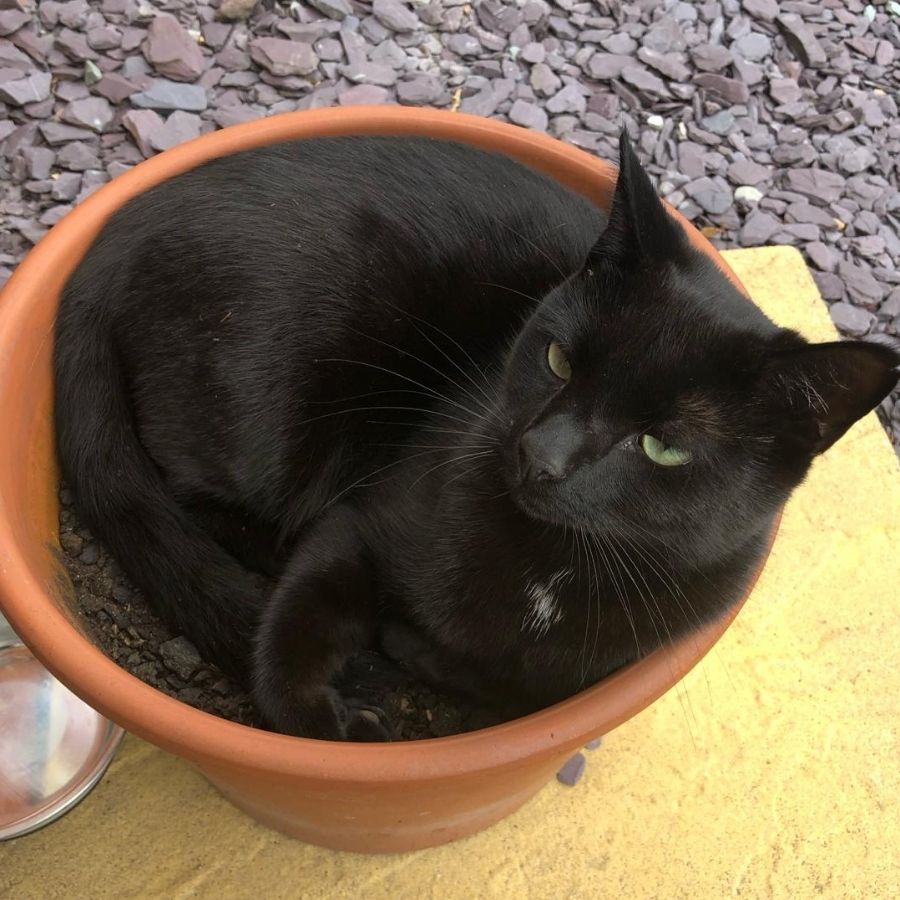
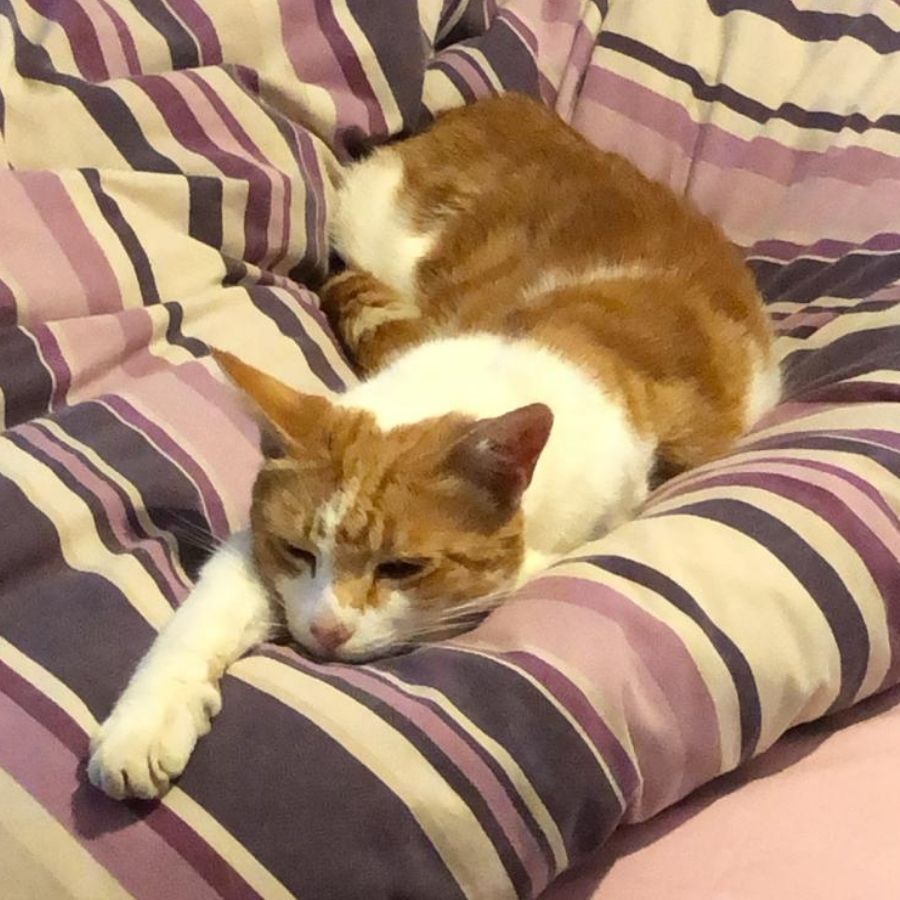
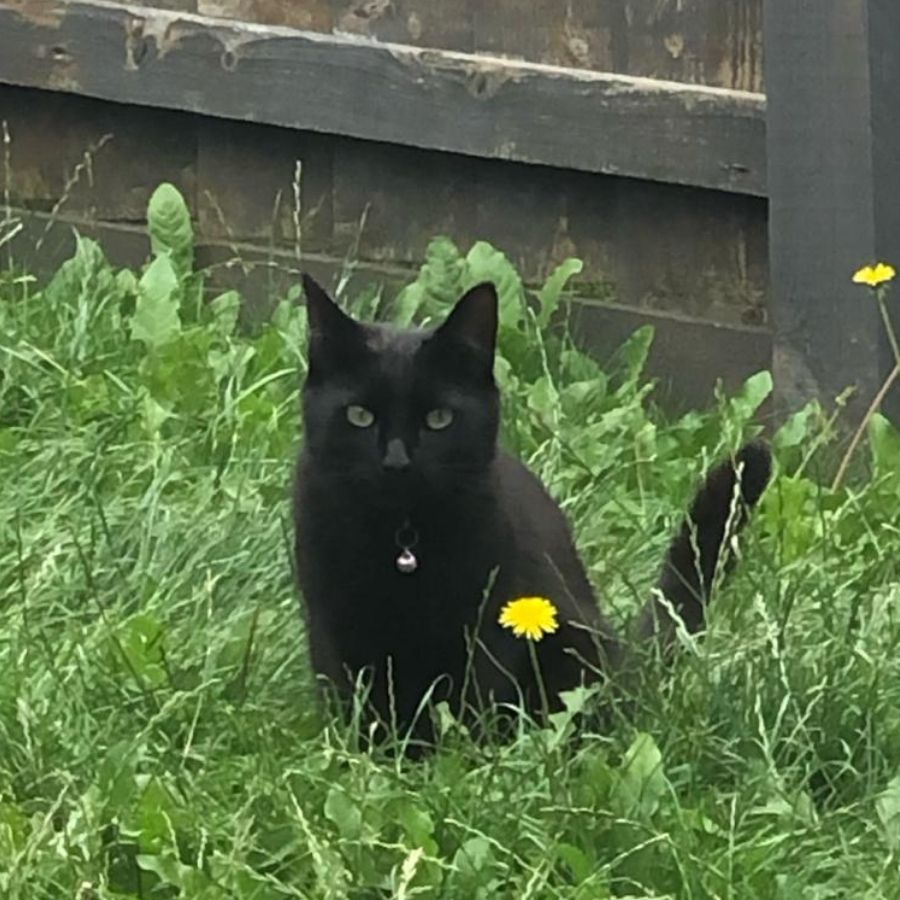
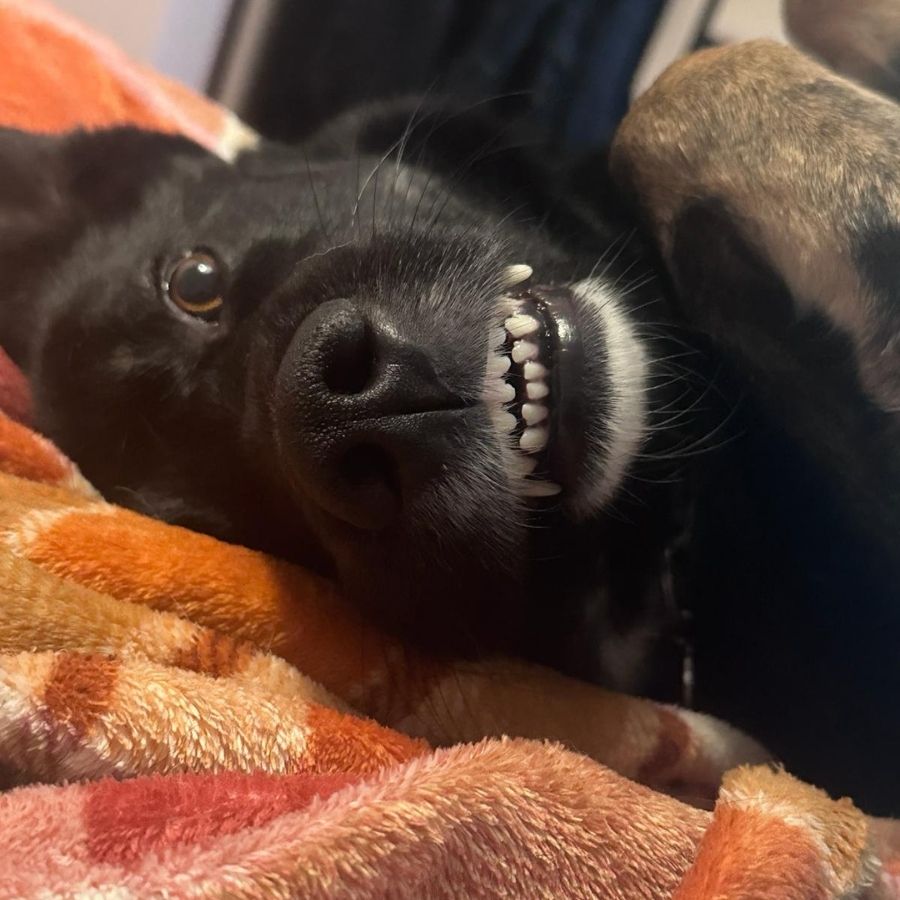
Their contribution to the business primarily consists of sleeping, interrupting calls, walking across keyboards, and demanding attention at the exact moment I need both hands.
They have yet to meet a single deadline.
Morale remains high.
I like to imagine I’m living in a Disney film, surrounded by adorable animal sidekicks who help me get things done.
In reality, it’s more like 101 Dalmatians, except there are fewer animals and considerably more chaos than the numbers should reasonably allow.
Enough About Me. What Are You Working On?
If you’ve made it this far, you now know rather a lot about me.
Including the fact that I can apparently turn almost any conversation into a Disney reference.
So let’s talk about you.
Maybe you need an evidence-based health article that doesn’t sound like it was written by a medical textbook.
Maybe you’re building a patient education library.
Maybe you need HCP content that respects the audience’s expertise without becoming unnecessarily dense.
Maybe your agency needs an experienced healthcare writer who can slot into the team without requiring constant hand-holding.
Or perhaps you’ve somehow ended up with 30 pieces of healthcare content due next month and would quite like someone to make that problem smaller.
- Bring me the beautifully organised brief.
- Bring me the half-formed idea.
- Bring me the “we know what we need, but we haven’t quite figured out what to call it yet” project.
We’ll take it from there.
No magic required. Just good communication, solid research, and the right words.
Although if a fairy godmother wants to help with my inbox, I won’t complain.