

Chronic illness isn’t always visible, but it is always life-shaping. This May, awareness campaigns offer an opportunity to move beyond surface-level understanding and create content that reflects the real, everyday experiences of people managing long-term conditions.
Chronic illness affects millions of people across the UK and globally, yet it remains widely misunderstood. From autoimmune and respiratory conditions to digestive disorders and chronic pain syndromes, these conditions are not defined by a single moment of illness, but rather by the ongoing, often invisible work of managing health every day.
The month of May draws attention to a number of chronic conditions, including:
- Arthritis Awareness Month
- Lupus Awareness Month
- Cystic Fibrosis Awareness Month
- National Celiac Disease Awareness Month
- National Asthma & Allergy Awareness Month
- Ehlers-Danlos Syndromes Awareness Month
- World Autoimmune/Auto-inflammatory Arthritis Day (May 20)
- Chronic Fatigue Syndrome Day (May 12)
- World Pulmonary Hypertension Day (May 5)
For health brands, May offers a powerful moment to connect with this audience in a way that feels human, supportive, and genuinely useful, rather than performative.

Why It’s Important
Chronic conditions are, by definition, long-term. But the way they’re discussed often isn’t. Awareness tends to spike around specific dates, then fade into the background, leaving many people feeling unseen or misunderstood.
The reality is far more complex. Living with a chronic illness often means adapting routines, managing uncertainty, and making constant micro-decisions about energy, pain, and capacity. Symptoms can fluctuate unpredictably, making planning difficult and consistency hard to maintain.
There’s also the added challenge of invisibility. Many chronic conditions don’t have outward signs, which can lead to assumptions, scepticism, or minimisation. Comments like “you don’t look ill” or “have you tried just eating better?” reflect a lack of understanding that can be both frustrating and isolating.
By creating thoughtful, accurate, and empathetic content, brands have an opportunity to shift this narrative, offering validation, practical support, and a more nuanced understanding of what it means to live with a chronic condition.
Multiple Angles
1. Lived Experience

This involves content that centres on real stories, voices, and experiences of people who are actually living with chronic illness.
Facts inform, but stories connect. Lived experience content builds empathy, reduces stigma, and helps people feel seen in ways that clinical information alone cannot.
Rather than presenting conditions in abstract terms, this approach focuses on the day-to-day reality: what mornings feel like during a flare-up, how fatigue shapes decision-making, or the emotional weight of navigating work, relationships, and healthcare systems.
Content that draws on people’s lived experience could involve features like:
- What It’s Really Like to Live with Ehlers-Danlos Syndrome
- A Day in the Life: Managing Lupus and Running a Business
- How I Navigate Restaurant Menus with Celiac Disease
How brands can use it:
- First-person blog posts or interviews
- “Day in the life” features
- Social storytelling campaigns
This type of content is particularly powerful for building trust, as it demonstrates that your brand understands not just the condition, but the person behind it.
2. Micro Solutions

Try offering small, realistic strategies that support symptom management in everyday life.
For people living with chronic illness, sweeping lifestyle overhauls are rarely practical, or more to the point, sustainable. What makes a difference are small, manageable adjustments that can be adapted to fluctuating symptoms and energy levels.
Micro solutions meet people where they are. They acknowledge limitations while still offering support, which makes them far more empowering than one-size-fits-all advice.
Content your brand could create could be:
- 5-Minute Morning Stretches for Chronic Joint Pain
- Tiny Changes That Make a Big Difference During a Flare-Up
- Managing Breathlessness: Tools for People with Pulmonary Hypertension
How brands can use it:
- Bite-sized tips and guides
- Short-form videos demonstrating simple techniques
- Downloadable checklists or routines
The key is to keep advice flexible, inclusive, and grounded in real-life application.
3. Myths vs. Reality

This would include creating content to challenge common misconceptions about chronic illness, particularly those that affect invisible or fluctuating conditions.
Misinformation doesn’t just create confusion – it can actively harm people by invalidating their experiences or promoting unrealistic expectations.
From the idea that chronic illness can be “cured” with the right diet, to assumptions that people are exaggerating symptoms, these myths shape how individuals are treated in both personal and clinical contexts.
Addressing these misconceptions helps create a more informed, compassionate environment and positions your brand as a credible, evidence-based voice.
Content your brand could create could be:
- Myth: You Don’t Look Sick, So You Must Be Fine
- 5 Things People Get Wrong About Cystic Fibrosis
- Why “Just Eat Healthier” Isn’t a Cure for Autoimmune Conditions
How brands can use it:
- Social media series
- Infographics or carousel posts
- Newsletter features
This angle works particularly well when paired with clear, accessible explanations that replace myths with accurate, supportive information.
4. Reframing the Narrative
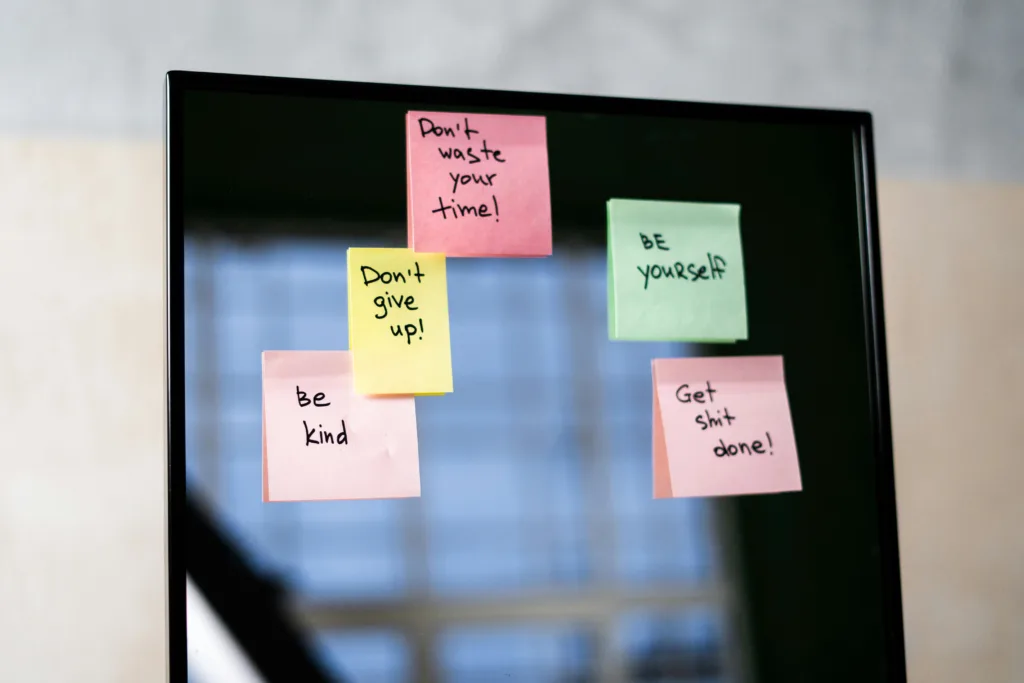
This is content that challenges traditional ideas of health, productivity, and success in the context of chronic illness.
Many people living with chronic conditions face pressure to “push through,” “stay positive,” or “overcome” their illness. While often well-intentioned, these messages can be unrealistic and even harmful.
Reframing the narrative allows for a more honest and compassionate perspective. It recognises that rest is a valid and necessary part of health, that productivity may look different from day to day, and that wellbeing isn’t defined by being symptom-free.
Example content your brand could create includes:
- Redefining Wellness: Thriving Doesn’t Have to Mean Symptom-Free
- Rest Is Not a Luxury – It’s a Health Strategy
- Why Living Well with Lupus Looks Different for Everyone
How brands can use it:
- Thought leadership articles
- Patient-centred blog content
- Campaign messaging focused on acceptance and adaptability
This approach not only supports emotional wellbeing but also aligns with a more inclusive, modern understanding of health.
Final Thoughts: Why Strategy Matters
Chronic illness content isn’t just about raising awareness – it’s about creating meaningful connections. You can look at any of these topics through multiple lenses, each offering your audience a different perspective.
Thoughtful, well-planned content allows you to show up consistently, speak with authority, and support your audience in a way that feels genuine rather than transactional.
As a freelance health and wellness writer, I specialise in turning complex, often overlooked health experiences into clear, compassionate, and impactful content. If you need to start building an awareness campaign, are developing patient resources, or are simply refining your brand voice, the right approach can make all the difference.
Want to bring more thoughtful, inclusive health content to your brand?
Let’s talk about how to make your message resonate – book a discovery call or send an email to get started.
If you’ve found this useful, feel free to fuel my caffeine addiction at Ko-fi