
One of the biggest misconceptions about health writing is that making content easier to understand means making it less intelligent.
It doesn’t.
Plain language isn’t about stripping away expertise or reducing complex topics to oversimplified soundbites. It’s about communicating information in a way that your audience can actually understand and use.
Whether you’re explaining a new medication, describing a medical procedure, or discussing lifestyle changes, the goal isn’t to impress readers with technical vocabulary. The goal is to help them make informed decisions.
Unfortunately, many organisations still confuse “professional” with “complicated”. Dense paragraphs, long sentences and medical jargon may sound authoritative, but they often create barriers between healthcare providers and the people they’re trying to help.
Good health communication does the opposite.
What Is Plain Language?
Plain language is communication that allows people to find, understand and use information the first time they read it. Rather than reducing the quality of the information, it improves the way that information is presented.
Plain language typically includes:
- Everyday words where appropriate
- Short, well-structured sentences
- Logical headings and subheadings
- Active voice
- Crlear explanations of unfamiliar terms
- Content organised around what readers actually need to know
None of these techniques make content less accurate. They simply remove unnecessary obstacles that prevent readers from understanding it.
In healthcare, this approach isn’t just helpful: it’s essential. Patients may be reading while they’re anxious, in pain, sleep deprived or overwhelmed. Others may have limited health literacy, be reading in a second language or simply be skimming information on their phone while waiting for an appointment.
Writing with clarity acknowledges those realities rather than expecting readers to work harder.
Simple Doesn’t Mean Simplistic
There’s an important distinction between simplifying language and oversimplifying information.
Oversimplification removes nuance and leaves out details that readers genuinely need to make informed decisions. Plain language, on the other hand, preserves that nuance while making it easier to understand.
For example, compare these two explanations.
Traditional medical language
“Hypertension significantly increases the likelihood of adverse cardiovascular events and therefore requires appropriate pharmacological management alongside lifestyle modification.”
Plain language
“High blood pressure increases your risk of problems like heart attacks and strokes. Treatment often includes medication alongside healthy lifestyle changes.”
Both versions communicate the same key message. The second hasn’t removed accuracy or hidden uncertainty. It simply replaces unnecessarily complex wording with language that most readers can process more quickly.
That’s the difference between simplifying your writing and dumbing it down.

Your Audience Doesn’t Want to Decode Your Writing
Every piece of content asks something of its reader. Complicated writing demands more mental effort, while plain language allows readers to focus on understanding the message itself.
Think about the last time you assembled flat-pack furniture with poorly written instructions. The information may all have been there, but if it wasn’t organised clearly, the process quickly became frustrating.
Health information works in exactly the same way. When readers have to decipher terminology, untangle lengthy sentences or repeatedly reread paragraphs, they’re spending their mental energy interpreting your writing instead of learning from it.
This becomes particularly important when discussing topics such as:
- Diagnoses
- Treatment options
- Medication instructions
- Risks and side effects
- Consent information
- Preventive healthcare advice
If readers misunderstand any of these, the consequences can extend well beyond simple confusion.
Health Literacy Matters More Than Ever
Around half of adults struggle to understand health information that contains medical terminology or complex language.
Health literacy isn’t a measure of intelligence. It’s influenced by education, stress, culture, language, previous healthcare experiences and even how someone feels on the day they’re reading.
Someone with a PhD can still struggle to process medical information after receiving a frightening diagnosis.
That’s why writing for accessibility benefits everyone.
Clear communication improves understanding across all audiences without excluding those who already have higher levels of medical knowledge.
In fact, many healthcare professionals prefer well-written plain language because it allows them to absorb information more quickly too.
Jargon Isn’t Always the Enemy
One of the biggest myths surrounding plain language is that every medical term should be removed.
That’s rarely practical, and it certainly isn’t desirable.
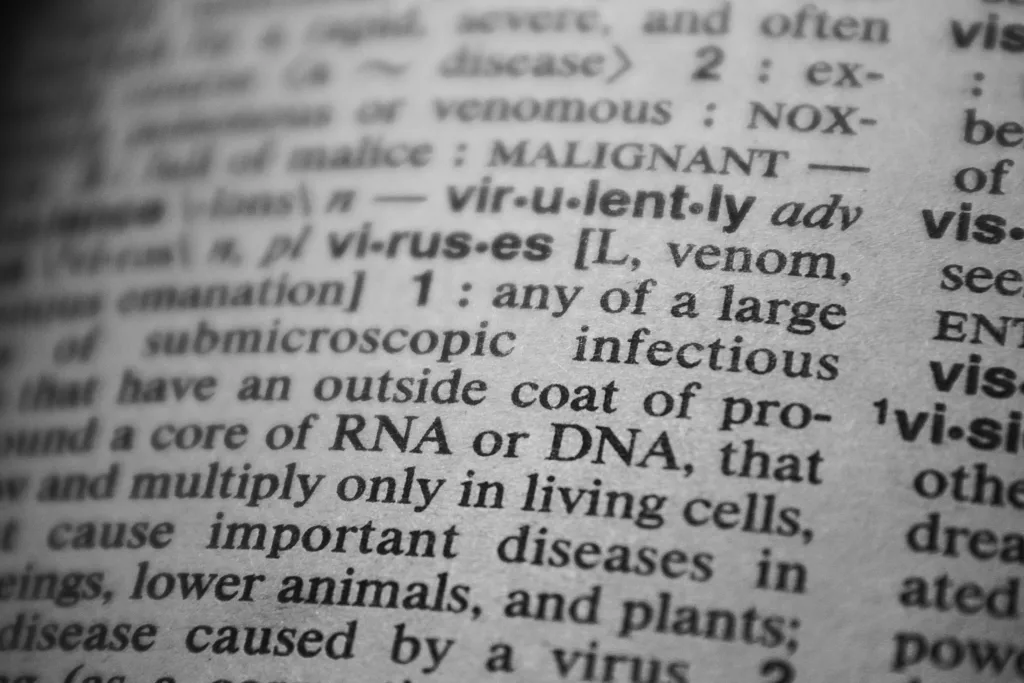
Sometimes technical terminology is the correct terminology. If you’re writing about atrial fibrillation, diabetes or rheumatoid arthritis, readers will almost certainly encounter those terms elsewhere in their healthcare journey.
Rather than avoiding them, introduce them clearly.
For example:
“Atrial fibrillation (AF) is a type of irregular heartbeat.”
Readers now understand both the medical name and what it actually means. This prepares them for future conversations with healthcare professionals while helping them feel more confident rather than overwhelmed.
The aim isn’t to remove expertise. It’s to translate it.

Clarity Builds Trust
Some organisations worry that using simpler language will make them sound less credible. In reality, the opposite is often true.
People trust information they understand. Clear writing demonstrates confidence because it shows that the organisation knows its audience as well as its subject matter. There’s no need to hide behind complicated terminology when the evidence speaks for itself.
Conversely, unnecessarily complex writing can sometimes create distance or even suspicion. Readers may wonder whether the complexity is intentional or whether they’re missing something important.
When healthcare organisations communicate clearly, they appear transparent, approachable and patient-focused. Those qualities are often far more persuasive than technical language alone.
Plain Language Improves SEO Too
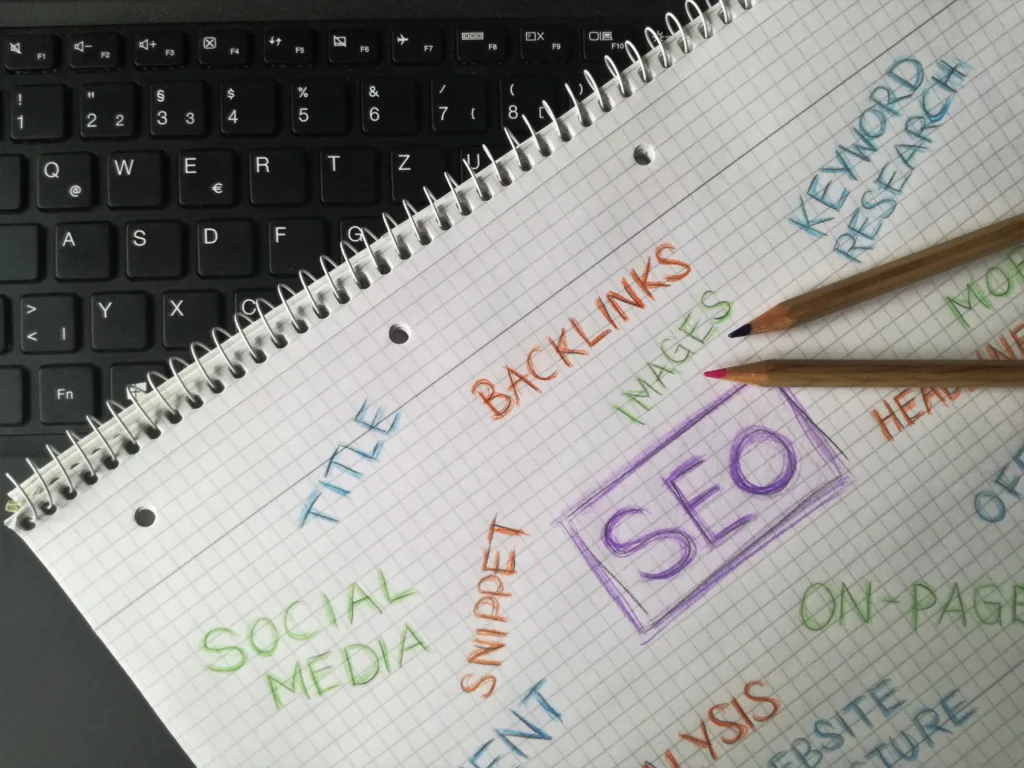
Plain language isn’t just better for readers; it’s often better for search performance too.
Search engines increasingly reward content that satisfies users rather than simply containing keywords. People naturally search using everyday questions, so writing in everyday language often aligns more closely with the phrases your audience is already typing into Google.
For example, someone is much more likely to search:
“Why does my knee hurt when I walk upstairs?”
than:
“Patellofemoral pain syndrome symptomatology.”
Content that’s easy to read also tends to keep visitors engaged for longer, increasing the likelihood that they’ll continue reading, explore other pages and trust your website as a useful source of information.
Simplifying Takes More Skill, Not Less
There’s a well-known quote often attributed to Blaise Pascal:
“I would have written a shorter letter, but I did not have the time.”
The same principle applies to health writing.
Anyone can copy information from a clinical paper or summarise a set of guidelines. Translating that evidence into content that’s accurate, engaging and genuinely easy to understand takes considerably more skill.
It requires writers to think carefully about:
- What readers actually need to know
- What background information provides useful context
- Which technical terms should remain
- Which explanations need expanding
- How to balance scientific accuracy with readability
That process takes experience, judgement and a thorough understanding of both healthcare and communication.
Final Thoughts
Plain language isn’t about making healthcare less scientific. It’s about making science more accessible.
The best health content doesn’t force readers to choose between accuracy and understanding. It delivers both. Readers shouldn’t need specialist knowledge to understand information that directly affects their health.
When organisations communicate clearly, patients feel more confident, healthcare professionals spend less time answering avoidable questions, and information becomes genuinely useful rather than simply available.
That’s what effective health communication should always aim to achieve.
Need Help Translating Complex Health Information?
I specialise in turning evidence-based medical information into content that’s accurate, engaging and genuinely accessible.
Whether you need patient education materials, healthcare website copy, thought leadership articles or evidence-based blogs, I can help you communicate complex topics with clarity, without sacrificing scientific integrity.
Because plain language isn’t about lowering the standard.
It’s about raising understanding.
Get in touch to chat about your project – email or book a free discovery call today.
If you’ve found this useful, feel free to fuel my caffeine addiction at Ko-fi
Leave a Reply