
Accessible health communication isn’t just about simplifying medical information. It’s about ensuring everyone, regardless of their background, abilities, or health literacy, can understand the information they need to make informed decisions about their health.
Health information has the power to improve lives, prevent illness, and empower people to make informed decisions. However, this only happens if people can understand and use the information they’re given.
For many people, health communication remains difficult to navigate. Medical terminology, inaccessible formats, cultural differences, and assumptions about a person’s knowledge can all create unnecessary barriers. When health information isn’t accessible, people may delay seeking treatment, misunderstand medical advice, or struggle to manage long-term conditions effectively.

Creating accessible health content isn’t about oversimplifying complex topics. It’s about communicating clearly, inclusively, and thoughtfully so that everyone has an equal opportunity to understand important health information.
Here’s how to identify common barriers and create health communication that truly reaches every audience.
Why Health Communication Might Be Inaccessible
Even well-intentioned health content can unintentionally exclude parts of its intended audience. Understanding these barriers is the first step towards creating more inclusive communication.
Use of Complex Medical Jargon
Healthcare professionals use technical language every day, but patients rarely do. Terms that seem routine to clinicians (such as “hypertension,” “benign,” or “prognosis”) may be unfamiliar or misunderstood by the general public.
When content relies heavily on medical terminology without explanation, readers can quickly become overwhelmed or disengaged. Replacing jargon with plain language or explaining unfamiliar terms helps improve understanding without sacrificing accuracy.
Low Health Literacy Levels
Health literacy refers to a person’s ability to find, understand, evaluate, and use health information to make appropriate decisions about their health.

Many people have limited health literacy, regardless of their education level. Someone may be highly skilled in their profession yet still find medical information confusing. Accessible health communication acknowledges this reality by presenting information clearly and logically without making assumptions about prior knowledge.
Cultural and Language Barriers
Health messages don’t exist in a vacuum. Cultural beliefs, traditions, values, and language all influence how people interpret healthcare information.
If content isn’t translated appropriately or adapted to reflect cultural differences, important messages may be misunderstood or ignored entirely. Literal translation alone is rarely enough – effective communication often requires localisation and cultural awareness.
Lack of Visual or Alternative Formats
People absorb information in different ways. Others may rely on screen readers, captions, audio versions, or easy-read formats because of disability or personal learning preferences.
Health information presented only as lengthy text excludes many potential readers. Offering information in multiple accessible formats helps ensure wider understanding and engagement.
Digital Divide and Limited Access
Many healthcare organisations now prioritise digital communication, but not everyone has reliable internet access, suitable devices, or the confidence to use online services.
Older adults, people living in rural areas, or people experiencing financial hardship may miss important information if it’s only available online. Considering offline communication methods remains essential.
One-Size-Fits-All Messaging
A message that works well for one audience may not resonate with another.
Age, socioeconomic background, education, geographical location, disability, culture, and lived experience all shape how people interpret health information. Generic messaging often overlooks these important differences, reducing its effectiveness.
Overwhelming or Dense Information
Large blocks of text, complicated statistics, and poorly organised content can make even accurate information difficult to understand.
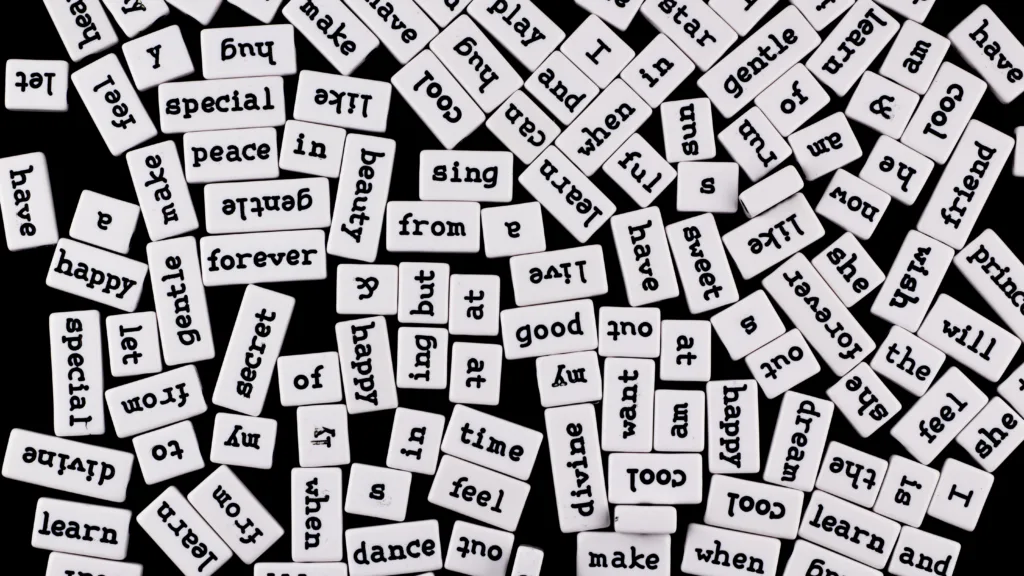
Readers are far more likely to engage with information that is broken into clear sections, supported by headings, bullet points, illustrations, or simple summaries.
Distrust in the Source
Even the clearest health information may be ignored if people don’t trust where it comes from.
Past experiences, misinformation, historical inequalities, or unfamiliar organisations can all influence whether audiences believe a message. Building trust requires transparency, consistency, empathy, and, where appropriate, collaboration with trusted community figures.
Considerations When Creating Health Content
Accessibility should be considered from the earliest planning stages rather than added as an afterthought.
Choose an Inclusive Tone
Health communication should be respectful, supportive, and empowering.
Avoid language that blames, shames, or makes assumptions about someone’s circumstances. Instead, acknowledge that health journeys are personal and that different people face different challenges.
Inclusive language helps audiences feel seen, respected, and more willing to engage with the information provided.
Design With Accessibility in Mind
Good design plays a significant role in accessibility.

Use readable fonts, sufficient spacing, high colour contrast, and colour combinations that remain accessible for people with colour vision deficiency. Ensure images include descriptive Alt text and that digital content works well with screen readers.
Small design decisions can make a substantial difference to usability.
Plan for Multiple Formats Early
Rather than creating a written article first and adapting it later, consider multiple formats during the planning process.
A single piece of content can often be repurposed into:
- Videos with captions
- Infographics
- Social media posts
- Podcasts or audio summaries
- Easy-read documents
- Translated versions
Planning this from the outset saves time while increasing accessibility.
Include Actionable Takeaways
Health information should leave readers knowing exactly what to do next.
Whether it’s booking a screening appointment, speaking with a healthcare professional, making lifestyle changes, or seeking emergency care, clear calls to action reduce uncertainty and improve confidence.
Build in Cultural Awareness
Where possible, involve members of the communities you’re trying to reach.
Working alongside cultural advisors, patient representatives, or community organisations helps ensure messaging is accurate, respectful, and genuinely relevant rather than based on assumptions.
Ways To Make Health Communication Accessible
Creating truly accessible health communication involves more than simplifying medical language. It requires a thoughtful approach that considers your audience, the way information is presented, and the channels you use to deliver it.
Understand Your Audience’s Needs
Before writing anything, understand exactly who you’re trying to reach.
Consider Health Literacy Levels
Health literacy affects far more than reading ability. It includes understanding instructions, interpreting health risks, completing medical forms, and making informed decisions.
Content should match the audience’s likely knowledge level while remaining accurate and evidence-based. Explaining concepts gradually, defining unfamiliar terms, and avoiding unnecessary complexity help readers build confidence rather than feel intimidated.
Recognise Cultural and Language Barriers
Effective communication considers both language and culture.
Translation should preserve meaning rather than simply convert individual words. Local examples, culturally relevant imagery, and respectful language choices all help audiences connect with the message.
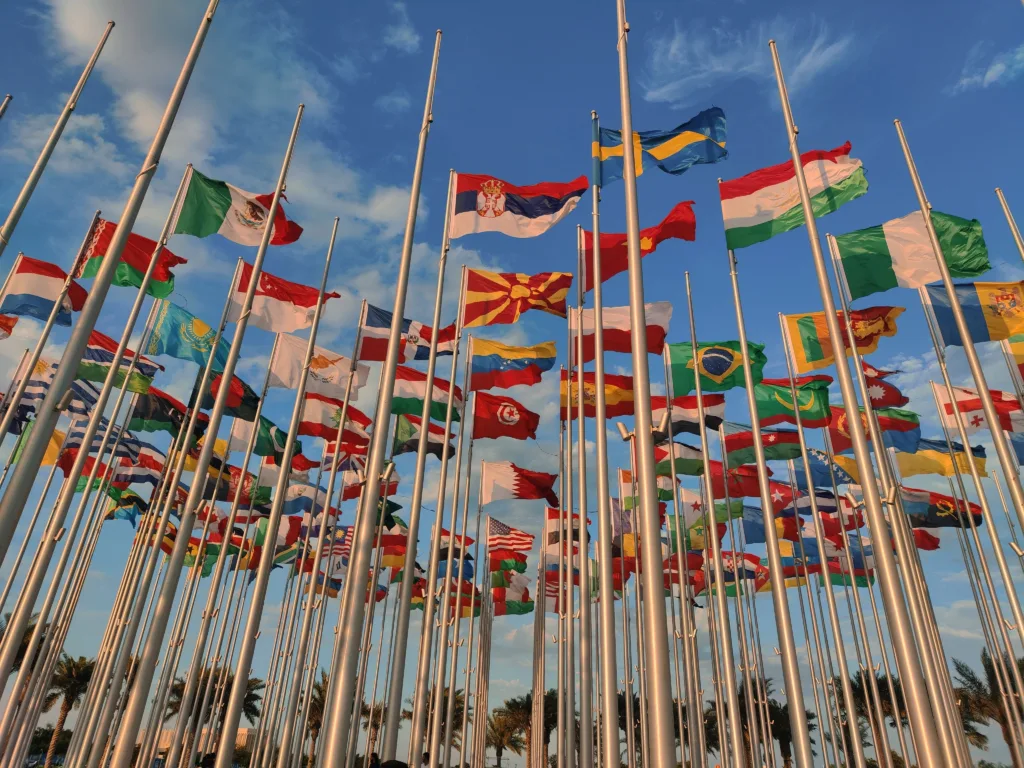
When people recognise themselves in the content, they’re far more likely to trust and engage with it.
Simplify Language Without Losing Meaning
Simple doesn’t mean simplistic.
The goal is to make information easier to understand while maintaining scientific accuracy.
Use Plain Language Principles
Plain language improves accessibility for everyone, not just those with lower health literacy.
Some simple techniques include:
- Replace medical jargon with everyday language whenever possible.
- Keep sentences concise.
- Focus on one key idea at a time.
- Use active voice.
- Break information into logical sections with descriptive headings.
The result is content that’s easier to scan, understand, and remember.
Use Analogies and Visuals
Some health concepts become much easier to understand when compared to familiar everyday experiences.
For example, describing cholesterol building up in arteries like limescale building up inside household pipes can help readers visualise what’s happening without requiring detailed anatomical knowledge.
Visual aids such as diagrams, illustrations, flowcharts, and infographics can also simplify complicated topics and improve information retention. However, visuals should always support (not replace) clear written explanations.
Choose the Right Communication Channels
Even the best health information is ineffective if it never reaches its intended audience.

Meet People Where They Are
Different audiences consume information differently.
Depending on your target population, effective channels may include:
- Social media platforms
- Text message reminders
- Community newsletters
- GP surgeries
- Pharmacies
- Local newspapers
- Community radio
- Printed leaflets
- Public health campaigns
Digital accessibility should also be considered. Websites should support screen readers, videos should include captions, and downloadable documents should follow accessibility standards.
Leverage Trusted Messengers
People often trust familiar voices more than unfamiliar organisations.
Partnering with healthcare professionals, patient advocates, local charities, faith leaders, or respected community figures can significantly increase the reach and credibility of health messages.
When trusted people share accurate health information, audiences are often more receptive and more likely to act upon it.
Final Thoughts
Accessible health communication is about far more than readability. It’s about ensuring everyone has equal access to reliable, understandable information that helps them make informed choices about their health.
By understanding your audience, using plain language, designing inclusively, respecting cultural differences, and choosing appropriate communication channels, you can create health content that informs, empowers, and genuinely improves health outcomes.
Ultimately, good health communication doesn’t simply deliver information. It removes barriers, builds trust, and helps people take meaningful action with confidence.
Need Health Content That Connects With Every Audience?
Creating accessible health content requires more than strong writing skills. It demands empathy, evidence-based research, health literacy expertise, and a deep understanding of how different audiences access and interpret information. If you’re looking for clear, inclusive health content that informs without overwhelming your readers, get in touch by booking a free discovery call or by emailing me to discuss how I can help bring your message to life.
If you’ve found this useful, feel free to fuel my caffeine addiction at Ko-fi