

Creating high-quality health content takes time, research, and expertise. Content repurposing helps healthcare brands maximise the value of that investment by transforming existing content into fresh, engaging formats that reach new audiences without sacrificing accuracy or quality.
Healthcare organisations invest significant time and resources into creating accurate, evidence-based content. Whether it’s a detailed patient guide, a research summary, or a webinar featuring clinical experts, every piece of content represents valuable knowledge that shouldn’t be used just once.
Content repurposing allows healthcare brands to get more value from their existing content by adapting it for different channels, formats, and audiences. Rather than constantly creating new material, repurposing enables you to reinforce key messages, increase engagement, and maintain a consistent brand presence across multiple platforms.
When done thoughtfully, it’s not about repeating yourself. It’s about presenting the same trusted information in ways that meet people where they are.
What Is Content Repurposing?
Content repurposing is the process of taking existing content and adapting it into new formats or for different platforms. Instead of producing entirely new material every time you want to communicate a message, you transform your best-performing or most valuable content into something fresh.
For example, a comprehensive blog post could become a series of social media graphics, an email newsletter, a short educational video, or an infographic. A recorded webinar could be edited into bite-sized clips for LinkedIn or Instagram, while frequently asked questions could become an ongoing email series or downloadable patient resource.
The core message remains the same, but the presentation changes to suit different audiences, platforms, and learning preferences.
Why Content Repurposing Matters in Healthcare Marketing
Healthcare communication often focuses on improving understanding, building trust, and encouraging positive health behaviours. Repurposing content supports all of these goals while making marketing efforts more efficient.

Builds brand consistency across multiple touchpoints
Patients rarely interact with a healthcare organisation through just one channel. They may discover your brand on social media, visit your website, subscribe to your newsletter, and watch your videos. Repurposing content helps ensure your messaging remains consistent across every touchpoint, strengthening your brand identity and building familiarity over time.
Reinforces key health messages without reinventing the wheel
Some health topics deserve to be repeated. Whether you’re educating people about vaccination, managing long-term conditions, or promoting preventative healthcare, repetition improves understanding and recall. Repurposing allows you to reinforce these important messages without creating entirely new campaigns.

Reaches different audience types and learning styles
Not everyone consumes information in the same way. Some people prefer reading detailed articles, while others engage more with videos, podcasts, infographics, or visual social media content. Repurposing makes your information accessible to a wider audience by presenting it in multiple formats.

Extends the lifespan of high-quality, trustworthy content
Healthcare content often requires extensive research, expert review, and fact-checking. Rather than allowing that content to disappear into your blog archive after publication, repurposing gives it a much longer lifespan and allows it to continue delivering value long after it was first published.
Saves time and resources while increasing return on effort
Creating original healthcare content from scratch can be resource-intensive. Repurposing reduces the need to constantly generate new ideas while helping you maintain a consistent publishing schedule. This allows marketing teams to work more efficiently without compromising quality or accuracy.

High-Value Content Worth Repurposing
Not every piece of content needs to be repurposed, but some formats naturally lend themselves to multiple uses.
Blog posts or educational articles often contain enough information to create several social media posts, newsletters, downloadable resources, or video scripts.
Patient testimonials and success stories can be transformed into social posts, website features, short videos, or case studies that help build trust with prospective patients.
FAQs and myth-busting content work well as email campaigns, social graphics, short-form videos, or quick educational posts that answer common questions.
Webinars, podcasts, and live Q&A sessions contain valuable insights that can be broken down into shorter video clips, quote graphics, blog articles, or audio snippets.
Infographics, guides, and research summaries can be expanded into blog posts, adapted into presentations, or converted into downloadable PDFs for patients and healthcare professionals.

Creative Ways to Repurpose Content
One of the biggest advantages of repurposing is the variety of formats available.
A detailed blog post can become an Instagram carousel explaining key takeaways, a short Reel highlighting practical tips, or a LinkedIn article aimed at healthcare professionals.
Recorded webinars can be divided into several short educational clips that answer specific questions, while memorable quotes can be turned into eye-catching graphics for social media.
Patient success stories can be adapted into engaging social posts, short videos, website testimonials, or case studies that demonstrate real-world outcomes.
Frequently asked questions can become a weekly email series, a collection of social media posts, or quick educational videos that answer common concerns.
Research findings and clinical data can be transformed into infographics, downloadable checklists, or visual summaries that make complex information easier to understand.
Long-form content can also be rewritten into LinkedIn thought leadership articles that showcase your expertise while reaching professional audiences.
Repurposing for Different Platforms & Audiences
Effective repurposing isn’t about copying and pasting the same content everywhere. Each platform has its own audience, style, and expectations.
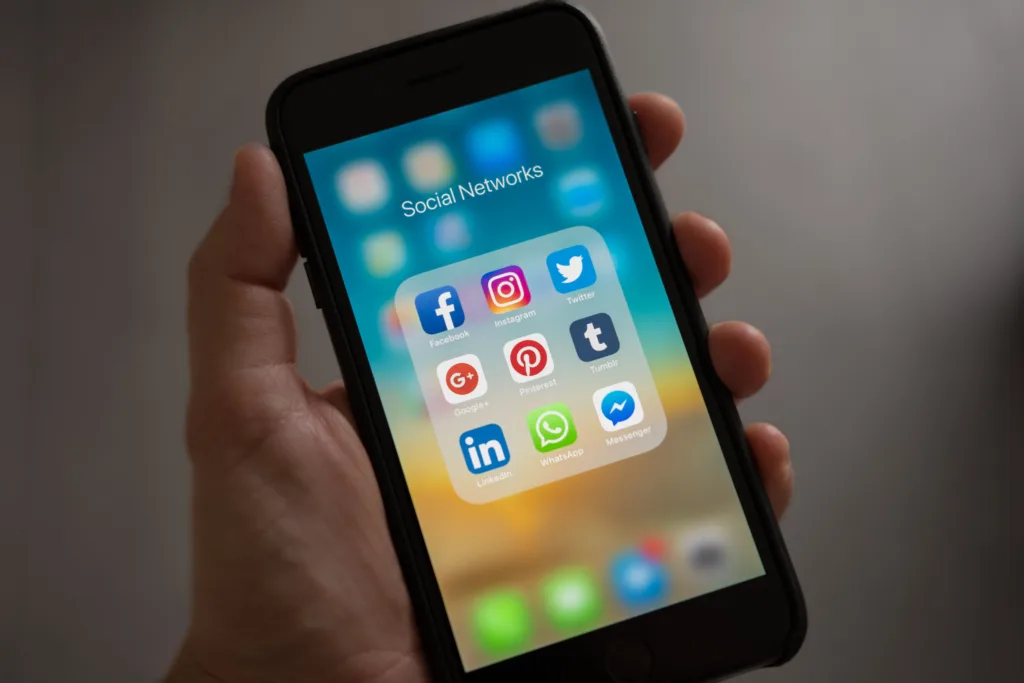
Instagram users often respond best to visual, concise content, while LinkedIn audiences may appreciate more detailed analysis and professional insights. Email newsletters allow for more personalised communication, whereas blog posts provide space for in-depth education.
It’s equally important to tailor your messaging for different audience groups. Patients may need simple, reassuring explanations, while caregivers often look for practical advice and support. Healthcare professionals typically expect more detailed, evidence-based information with greater clinical depth.
By adapting your content appropriately, you reinforce your expertise while ensuring every audience receives information that’s relevant, engaging, and easy to understand.
Final Thoughts
Healthcare content represents a significant investment of time, expertise, and research. Repurposing allows you to maximise that investment by extending the reach of your best content, improving engagement, and maintaining consistent messaging across every platform.
Rather than constantly chasing new ideas, focus on making your existing content work harder. With thoughtful planning and strategic adaptation, one high-quality piece of content can continue educating, informing, and engaging your audience long after it’s first published.
Looking to get more value from your healthcare content?
I help healthcare organisations create versatile, evidence-based content that can be repurposed across blogs, websites, social media, email campaigns, and more. Get in touch, or schedule a free discovery call to discuss a content strategy that works smarter – not harder.
If you’ve found this useful, feel free to fuel my caffeine addiction at Ko-fi
Leave a Reply