

September is packed with awareness campaigns centred on healthy ageing, cognition, dementia, fall prevention, and quality of life. For brands and organisations creating health content, it’s the perfect opportunity to move beyond tired narratives and produce meaningful, people-first stories that educate, support, and inspire.
One Core Topic
September’s health awareness calendar highlights some of the biggest conversations surrounding ageing and brain health.
Relevant awareness events include:
- Healthy Aging® Month (US)
- World Alzheimer’s Month (Global)
- World Alzheimer’s Day – 21 Sept (Global)
- Falls Prevention Awareness Week – 21–25 Sept (UK/US)
- National HIV/AIDS and Aging Awareness Day – 18 Sept (US)
- Pain Awareness Month (Global)
These provide countless opportunities to create timely, valuable content.
Why It’s Important
Global populations are living longer than ever before. Alongside increased life expectancy comes a growing focus on maintaining cognitive health, physical mobility, emotional wellbeing, and independence.
Conditions such as Alzheimer’s disease and other forms of dementia affect millions of people worldwide, but ageing is about far more than diagnosis. It’s about preserving identity, adapting to change, maintaining relationships, and finding purpose throughout later life.
At the same time, many older adults face challenges, including:
- Social isolation and loneliness
- Falls and reduced mobility
- Chronic pain
- Difficulty accessing healthcare
- Ageism and stereotypes
- Financial pressures
- Increasing caregiving responsibilities within families
Health content has an opportunity to acknowledge these realities without becoming overwhelmingly negative. Instead of centring every conversation on decline, great content explores prevention, resilience, practical support, and quality of life.
1. Tell Stories Through a Day-in-the-Life Perspective
Statistics are useful, but stories are memorable.
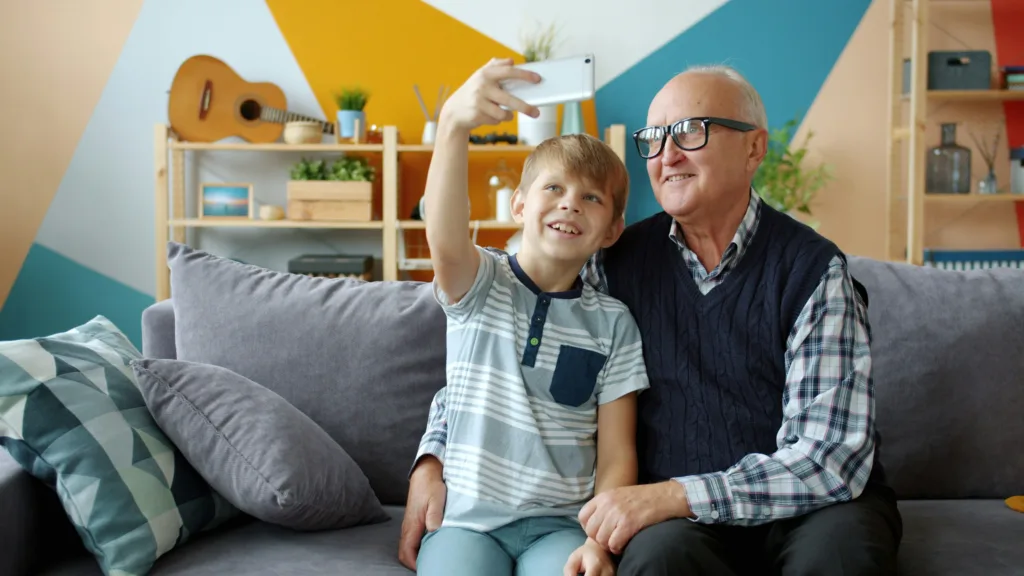
One of the most engaging ways to discuss ageing is by showing what everyday life actually looks like. Rather than explaining symptoms or quoting prevalence figures, bring readers into someone’s daily experience.
For example, you might explore:
- A day in the life of someone caring for a parent with Alzheimer’s disease.
- How a person with mild cognitive impairment maintains their independence.
- The small routines that help an older adult manage medication, appointments, and social activities.
- How assistive technology supports ageing at home.
These stories humanise complex health topics while helping readers develop empathy. They also allow healthcare organisations to showcase practical support without sounding promotional.
Most importantly, they remind audiences that people are far more than their diagnosis.
2. Break Down the Real Barriers Older Adults Face
Sometimes the biggest challenge isn’t the medical condition itself; it’s everything surrounding it.
Many older adults encounter obstacles that aren’t immediately obvious, including transport difficulties, digital exclusion, long waiting lists, inaccessible healthcare, financial concerns, or social stigma.
Content that explores these barriers can provide genuine value while encouraging broader conversations about improving care.
Potential topics include:

- Why early dementia diagnosis isn’t always straightforward.
- How poor public transport affects healthy ageing.
- The challenges older LGBTQ+ adults may face within care settings.
- Digital healthcare and whether older adults are being left behind.
- Why loneliness should be treated as a public health issue.
Rather than placing responsibility solely on individuals, this type of content recognises the wider systems that influence healthy ageing.
It also positions your organisation as one that understands the bigger picture.
3. Reframe the Conversation Around Ageing
Too often, ageing is portrayed as something to fear.
Yet many people enjoy fulfilling, active, and purposeful later years. Shifting the narrative doesn’t mean ignoring health challenges. It means presenting a more balanced picture.
Instead of asking:
“How do we stop ageing?”
Ask:
“How can we support people to age well?”
This subtle change creates opportunities for richer storytelling.
Consider topics such as:
- Why retirement can become a time for learning new skills.
- How volunteering supports mental wellbeing in older adults.
- The importance of lifelong friendships and social connection.
- Why memory loss deserves compassion rather than pity.
- Celebrating people who continue pursuing hobbies, careers, or education later in life.

Positive doesn’t have to mean unrealistic.
Readers appreciate content that acknowledges challenges while still highlighting possibility, resilience, and dignity.
4. Offer Small, Achievable Solutions
Health advice can sometimes feel overwhelming.
When faced with lengthy lists of lifestyle recommendations, many readers don’t know where to begin.
That’s why “micro solutions” work so well.
Rather than promising dramatic transformations, focus on realistic habits that fit naturally into everyday life.
Examples include:
- Five-minute memory exercises.
- Simple balance activities to reduce fall risk.
- Easy home safety improvements.
- Brain-stimulating hobbies such as puzzles, reading, or learning a language.
- Daily walking routines.
- Ways to stay socially connected.
- Practical medication reminders.
- Simple nutrition tips that support brain health.
These smaller actions feel achievable, making readers far more likely to engage with the advice.
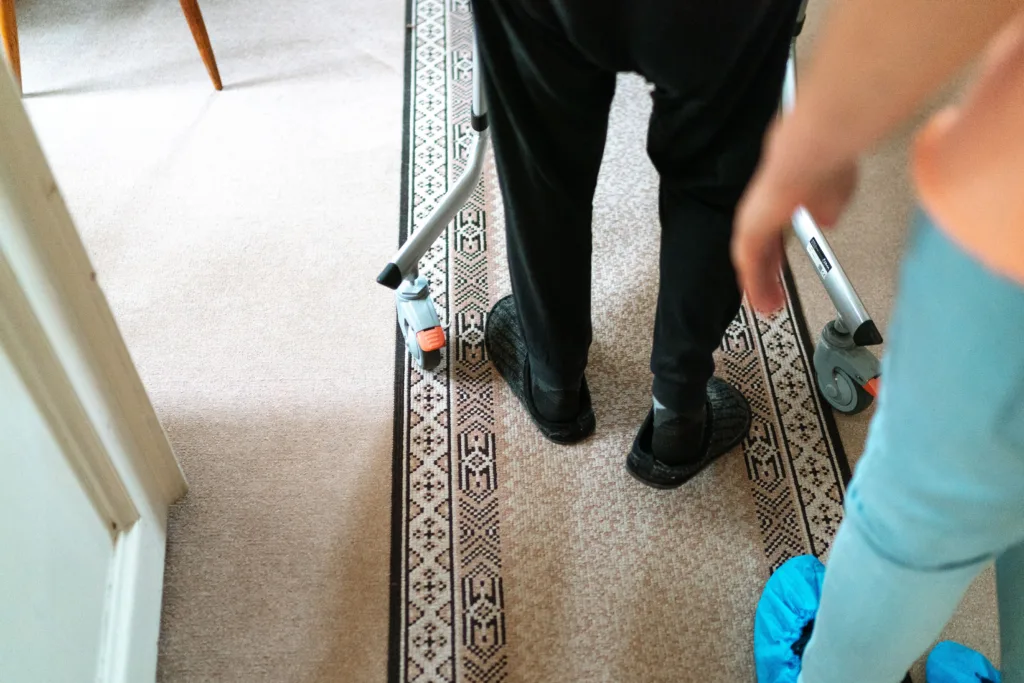
They also provide excellent opportunities for downloadable checklists, infographics, email campaigns, and social media content.
5. Explore the Bigger Picture
Individual stories matter, but so do the wider implications of an ageing population.
Thought leadership content can help organisations demonstrate expertise by exploring how demographic changes affect healthcare systems, workplaces, communities, and public policy.
Possible angles include:
- Why investing in healthy ageing reduces long-term healthcare costs.
- The growing economic impact of unpaid carers.
- How dementia affects entire families, not just the individual.
- Why early intervention improves long-term outcomes.
- The role technology will play in supporting ageing populations.
- Why designing age-friendly communities benefits everyone.
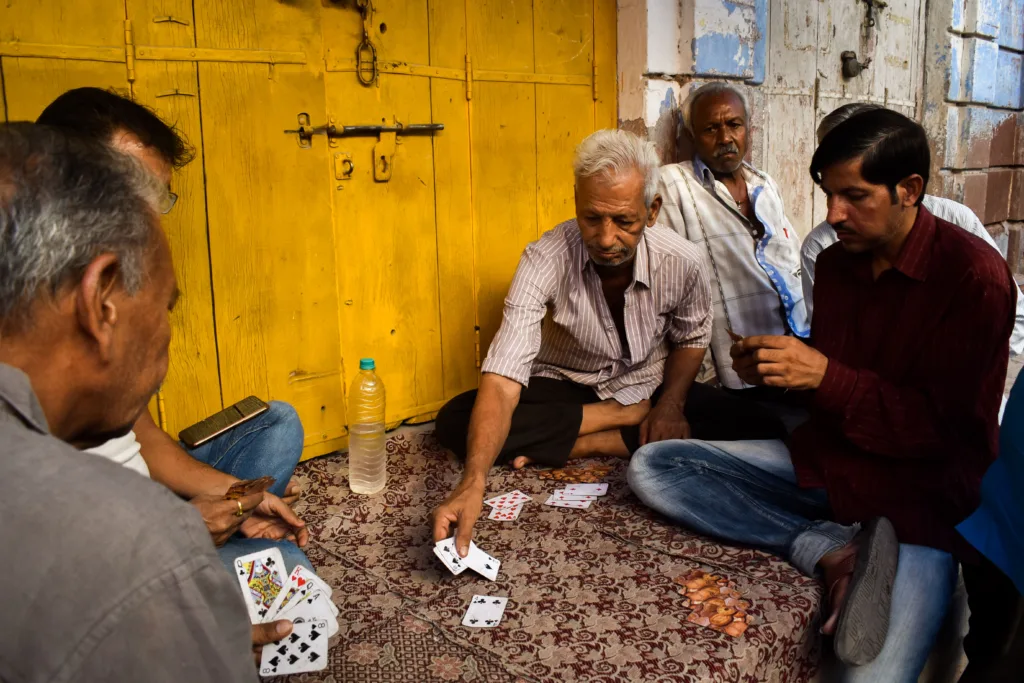
This broader perspective works particularly well for healthcare providers, policy organisations, charities, insurers, and technology companies looking to establish authority within the sector.
Creating Content That Leads With Empathy
Regardless of the angle you choose, the language you use matters.
Avoid framing ageing as a problem to be fixed or suggesting that growing older automatically means losing independence or identity.
Instead:
- Use respectful, person-first language where appropriate.
- Recognise that ageing experiences vary enormously.
- Balance challenges with practical support and hope.
- Avoid fear-based headlines designed purely for clicks.
- Include diverse voices and lived experiences whenever possible.
- Focus on dignity, autonomy, and quality of life.
People remember how content makes them feel just as much as what it teaches them.
Writing with empathy builds credibility, strengthens trust, and encourages meaningful engagement.

Final Thoughts
September offers far more than an opportunity to publish another article about dementia symptoms or healthy ageing tips.
By approaching awareness campaigns through fresh storytelling angles, you can create content that genuinely resonates.
The best health content doesn’t simply inform. It helps people feel seen, understood, and empowered.
For organisations working in healthcare, wellness, ageing, technology, or community support, that’s exactly the kind of content audiences remember.
Ready to Create More Meaningful September Content?
If you’re planning content around World Alzheimer’s Month, Healthy Aging® Month, Falls Prevention Awareness Week, or other September awareness campaigns, you don’t have to rely on generic advice or recycled statistics.
Thoughtful, evidence-informed content can educate your audience while treating older adults and caregivers with the dignity and empathy they deserve.
Need help planning your September content? I’d love to help you create engaging, research-backed articles that inform, inspire, and build trust. Book a free discovery call or get in touch by email to start planning your content calendar today.
If you’ve found this useful, feel free to fuel my caffeine addiction at Ko-fi